The LSDCP Framework: A Complete Guide to Full-Funnel App Marketing

TL;DR
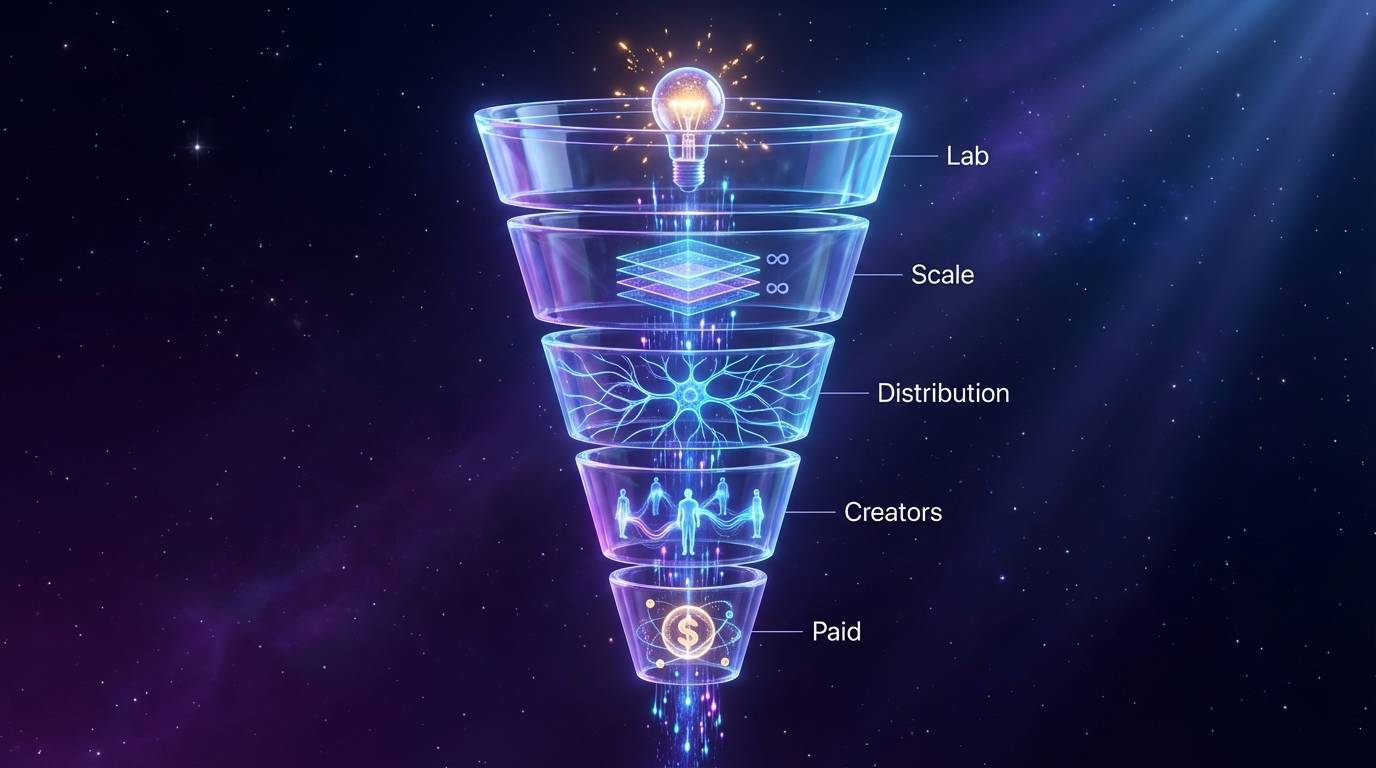
The LSDCP framework is a five-stage marketing system for consumer apps. Lab finds winning creatives through systematic testing. Scale produces hundreds of content variations from proven winners. Distribution spreads content across accounts without triggering platform flags. Creators amplify reach through authentic ambassador partnerships. Paid advertising multiplies proven performers for predictable acquisition. Each stage feeds into the next, creating compounding growth.
What Is the LSDCP Framework and Why Does It Matter?
Growing a consumer app requires more than scattered marketing tactics. Email sequences, AI-generated content, and influencer outreach can each deliver results in isolation, but without a systematic approach connecting them, growth stalls quickly. The LSDCP framework solves this by creating a full-funnel marketing system where each layer drives the next.
LSDCP stands for Lab, Scale, Distribution, Creators, and Paid - five interconnected stages that work together to drive exponential growth. The framework follows a logical progression: first prove that content converts, then multiply what works, spread it widely, amplify through real voices, and finally accelerate with paid advertising.
The key insight behind LSDCP is that scaling multiplies existing results. Scaling zero views across ten accounts still equals zero views. The framework prevents wasted resources by ensuring each stage validates results before the next stage amplifies them. Marketing teams that jump straight to paid advertising or large creator deals without first proving their content model often burn significant budgets with poor returns.
Stage 1: Lab (Creative Testing)
What Is the Lab Stage?
The Lab, or creative lab, is where high-performing content gets discovered and validated. The objective is finding creatives that genuinely convert - not just rack up views.
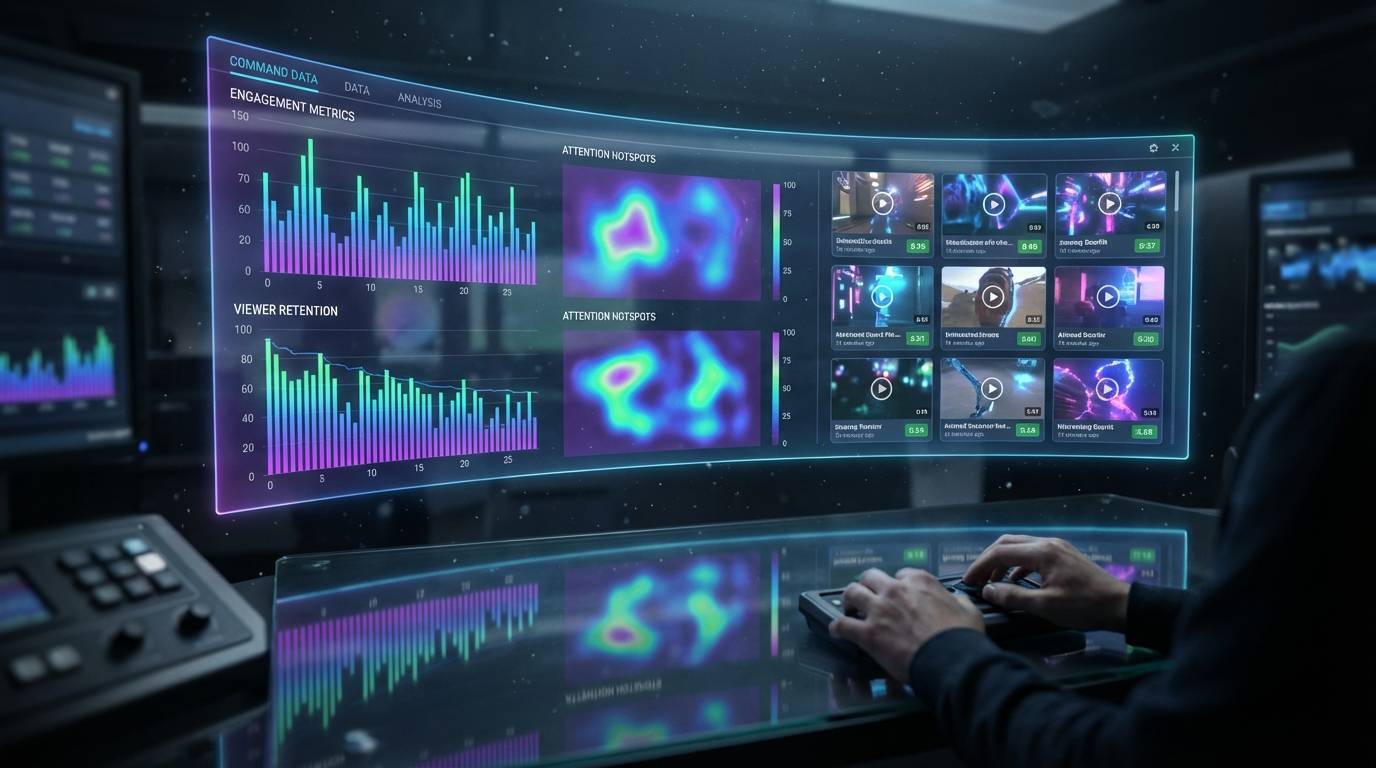
The most common mistake in creative testing is optimizing for vanity metrics. A video with one million views but low engagement often performs worse than a video with 500,000 views and strong saves, shares, and comments. The best creatives combine reach with engagement signals that indicate genuine intent and virality potential.
How to Measure Creative Performance
Different engagement metrics reveal different things about content quality:
Saves
Indicate strong intent - users plan to return to this content, signaling it provides lasting value worth revisiting.
Shares
Reflect built-in virality - users actively spread the content to others, expanding reach organically.
Comments
Signal k-factor, especially tags and referrals that drive organic growth through social proof and conversation.
Use our free TikTok Engagement Calculator or Instagram Engagement Calculator to measure these metrics for any account.
A Creative Score formula helps objectively compare creatives:
Creative Score = [(Comments × 4) + (Saves × 3) + (Shares × 2)] ÷ Views × 100
Example comparison:
- Video A: 1M views, 3K saves, 1K shares, 1K comments = 1.5% score
- Video B: 500K views, 4K saves, 1K shares, 2K comments = 4.4% score
Video B performs stronger on key interaction signals despite lower total views. The weighting in this formula should be adjusted based on app category - comments matter more for multiplayer apps, saves for utility apps, and shares for social apps.
Focus on Replicable Formats
Finding creatives that convert solves only half the problem. The other half is ensuring those formats can be reproduced at scale. A format is truly replicable when:
Production is Controllable
No reliance on third parties for raw footage - your team can produce all necessary content independently.
Replication Costs Stay Below Testing Costs
Simple variations like text changes shouldn't require expensive reshoots or complex production workflows.
Educational slideshows exemplify replicable formats - new variations require only text changes through simple scripts. Influencer videos are harder to replicate because the raw footage depends on external parties.
Two Approaches to Finding Winners
Copycat approach: Study what already works by analyzing top content in relevant categories across TikTok, Instagram, and YouTube Shorts. Identify intent signals in high-performing creatives and rate them using the Creative Score formula. This approach surfaces proven formats worth testing.
Creative approach: Build original content rooted in deep user understanding. Study what power users consume, what holds their attention, and what influences their decisions. These signals reveal cultural patterns and emotional triggers that translate into resonant content.
For faster iteration during the Lab phase, content automation tools like Renderfire can generate multiple creative variations from a single concept - TikTok slideshows, UGC videos, faceless videos, and organic content - enabling teams to test hooks, formats, and CTAs more rapidly than manual production allows. Use the TikTok Ads Library and TikTok Creative Center to identify winning formats, then scale production with AI.
The Viral Formula course covers hook patterns and creative scoring in greater depth.
Stage 2: Scale (Content Production)
What Is the Scale Stage?
Scale, or content scale, transforms proven winners from the Lab into large volumes of variations. Finding a high-performing creative means nothing if it can't be reproduced consistently.
The math makes this clear: a one-million-view creative that can be replicated outperforms a ten-million-view one-shot creative. The replicable creative might achieve 20-50 variations, each potentially reaching one million views. The one-shot creative dies after a single posting cycle.

Building a Content Scale Structure
A documented scale structure defines exactly what makes a creative work, enabling reliable reproduction. Every scale structure should include:
Footage Requirements
Define the type of footage needed (screen recordings, gameplay, UGC), composition details (key features, CTAs, use cases), and specific criteria (duration, emotions, framing).
Editing Output
Document the number of steps in the video structure, variables per step (dynamic elements), and added elements (text overlays, fonts, placement).
Distribution Final Edit
Specify text adjustments (caption, logo, POV label), music selection (trending, original, platform-native), and zoom and crop adjustments.
Production Methods
Automated content works well for TikTok slideshows, POV demonstrations, faceless YouTube videos, UGC video formats, and interview content. The process involves capturing extensive raw footage, defining key variables (hooks, CTAs, transitions), tagging shots by variable, and using scripts to generate thousands of variations for organic marketing at scale.
Delegated content suits motion design and animated formats. Find freelancers already producing the desired style in another niche, provide clear creative briefs, and use their output to feed the distribution engine.
The target for mature operations is 100+ creative variations per week. The Posting Frequency course covers batch creation workflows that support this volume sustainably.
Stage 3: Distribution
What Is the Distribution Stage?
Distribution handles content logistics - getting all those creative variations published across accounts without triggering platform flags for spam or automation.
Once Lab has found winners and Scale has produced variations, the bottleneck shifts to publishing. How does content get distributed across dozens of accounts on multiple platforms without burning accounts, getting shadowbanned, or wasting content?

Internal Farm Setup
An internal farm consists of physical phones connected to regional proxies, each linked to social accounts under direct control. This creates a fully controlled distribution network.
Phase 1 (1-10 Devices)
Start with dedicated phones plugged into region-specific proxies. Each phone represents a unique account with clean device fingerprints and IP addresses. Manual management works at this scale. Focus on perfecting the setup process and warmup procedures before expanding.
Phase 2 (10-25 Devices)
Introduce OTG (On-The-Go) hubs that allow controlling multiple devices from a single computer. One person can efficiently manage 20+ devices with centralized workflows.
Phase 3 (25+ Devices)
Hire a dedicated Head of Distribution. At this scale, device management, content deployment, account health monitoring, and performance tracking becomes a full-time role requiring technical expertise and platform compliance knowledge.
New accounts require proper warmup before posting - see our Account Warmup Essentials course for the complete protocol. The Multi-Account Setup and Scaling Fundamentals courses cover advanced distribution strategies.
Reposters Network
A reposters network consists of real accounts in target markets, operated by individuals enrolled in a reposter program. These aren't influencers - they're everyday users with 500-5,000 followers who post naturally and avoid platform detection.
Payment Structure
$50-100 per month per reposter, varying by market and engagement quality.
Content Delivery
5 ready-to-post creatives provided weekly, optimized for their audience.
Posting Flexibility
Flexible windows rather than rigid schedules to maintain organic appearance.
Performance Reviews
Monthly optimization with roster adjustments based on results.
Distribution Workflow
Content Scale Folder
All creatives from Scale uploaded to organized drives with standardized naming conventions for easy access and tracking.
Distribution Calendar
Weekly sync between Scale and Distribution teams plans what posts where and when across all accounts.
Account Folders
Each account gets a dedicated drive with only its assigned content to prevent cross-posting mistakes.
Content in Drafts
All assigned content uploaded to draft sections before the posting week begins.
Daily Publication
Automated warmup (scroll, engage) followed by manual posting with final in-app edits.
Stage 4: Creators
What Is the Creators Stage?
The Creators stage drives global performance through creator-led production and distribution. These aren't top-tier influencers with millions of followers - they're active users with 1,000-50,000 followers who post regularly and genuinely enjoy social media.
Creators in an ambassador program primarily amplify proven content horizontally into new markets. They publish content already tested in the Lab, adding their own twist through personal style or regional nuance. Occasionally, top ambassadors create original pieces that feed back into the Lab for broader testing.

Sourcing Creators
Finding active creators in target countries happens through direct outreach or dedicated marketplaces. The focus should be creators already producing content in the desired style or niche, with authentic engagement patterns and consistent posting history.
Managing Creators
Effective creator management requires clear direction on what to post, how to post it, and when. Provide creative briefs based on replicable formats from the Lab, maintain regular communication when new winning creatives emerge, and implement performance tracking to identify top performers for increased investment.
The Content Repurposing & Distribution course covers multi-platform content strategies that creators can implement.
Stage 5: Paid
What Is the Paid Stage?
Paid advertising is the final stage - boosting performance through paid distribution channels. However, paid isn't appropriate for every app.
The economics must work first. Apps with low ARPU (Average Revenue Per User) or LTV (Lifetime Value) will burn budgets faster than they generate profitable users. Competition drives CPMs up, platform fees eat margins, and attribution grows murkier each year. Strong unit economics are prerequisites for paid advertising.

When Paid Makes Sense
Once ARPU/LTV reaches sustainable levels, paid advertising becomes a funnel multiplier. Everything from previous stages sets up paid success:
Creatives from Lab: Top-performing organics with high saves, shares, and comments almost always become top paid performers. Those engagement signals already validated audience resonance.
Non-replicable winners: Paid extends the life of one-shot creatives that couldn't scale through organic distribution. A viral video that can't be reproduced can keep running across paid ad sets until every dollar of value is extracted.
Creator content: Commission new variations of top paid creatives from ambassador programs. Pay $100-500 per creative for authentic UGC-style ads that typically outperform polished brand content.
Paid Strategy Fundamentals
Start with Proven Winners
Use top 10 Lab creatives, creatives with highest saves and shares, and formats validated across ambassador accounts.
Iterate Rapidly
Paid platforms burn through creative faster than organic. A creative lasting three months organically might fatigue in two weeks in paid. The Scale systems become critical - 50-100 creative variations per week enables constant ad set refresh.
Optimize per Platform
Meta (Facebook/Instagram) favors UGC-style content over polished ads. TikTok rewards native-feeling content that doesn't look like ads. Snapchat needs short, punchy creatives with immediate hooks for its young audience.
Allocate Budget Progressively
Weeks 1-2: Test $50-100/day across 5-10 ad sets. Weeks 3-4: Kill bottom 50%, double down on winners, add new variations. Month 2+: Scale winning ad sets aggressively.
The Conversion Funnel Optimization course covers landing page and funnel optimization that pairs with paid traffic.
Common Mistakes to Avoid
Frequently Asked Questions
What is the LSDCP framework?
The LSDCP framework is a five-stage full-funnel marketing system for consumer apps. It stands for Lab (creative testing), Scale (content production), Distribution (multi-account publishing), Creators (ambassador partnerships), and Paid (advertising). Each stage validates results before the next stage amplifies them.
How long does it take to implement the full LSDCP framework?
Implementation timeline varies by team size and existing infrastructure. Lab typically requires 4-8 weeks to find validated winners. Scale builds over 2-4 weeks once winning formats exist. Distribution infrastructure takes 4-6 weeks to establish. Creators and Paid can begin once Distribution proves organic results. Most teams see meaningful results within 3-6 months.
What's the minimum budget needed for LSDCP?
Lab and Scale require primarily time and tools rather than large budgets. Distribution infrastructure starts around $500-2,000 for initial device setup. Reposter programs cost $50-100 per reposter monthly. Paid advertising should begin only after proving organic ROI - starting tests run $50-100 per day. Total initial investment ranges from $2,000-10,000 depending on scale ambitions.
Can LSDCP work for B2B apps or only consumer apps?
The LSDCP framework was designed for consumer apps with high-volume user acquisition goals. B2B apps with longer sales cycles and smaller target audiences may find certain stages less applicable. However, Lab principles for creative testing and Creator partnership strategies can adapt to B2B contexts with modified metrics and timelines.
Which stage should teams focus on first?
Always start with Lab. Without validated creatives, subsequent stages amplify nothing. Many teams try to skip ahead to Distribution or Paid, wasting resources on unproven content. Lab establishes the foundation - invest heavily in finding winners before building infrastructure to scale them.
How do the five stages connect to each other?
Lab finds winning creatives and feeds proven formats to Scale. Scale produces variations that flow to Distribution. Distribution spreads content organically and identifies top performers for Creators to amplify. Creators extend reach and sometimes discover new formats that return to Lab. Paid multiplies everything that works across all previous stages. The system creates compounding loops rather than linear progression.
Key Takeaways
- 1 The LSDCP framework creates compounding growth by connecting five marketing stages: Lab, Scale, Distribution, Creators, and Paid
- 2 Lab validates creatives using engagement metrics (saves, shares, comments) rather than just view counts - use the Creative Score formula for objective comparison
- 3 Scale requires documented content structures with footage requirements, editing outputs, and distribution edits to enable 100+ variations weekly
- 4 Distribution combines internal phone farms with reposter networks, following strict warmup protocols to avoid shadowbans
- 5 Paid advertising should only begin after proving organic ROI - it amplifies existing results rather than creating new success
More Posts

Ready to start automating?
Join hundreds businesses growing with Renderfire