How to Find and Work with Content Creators: A Complete Playbook

TL;DR
Successful creator collaboration follows a systematic process: build targeted creator lists using seven proven sourcing methods, reach out at scale through personalized DMs and cold email, then convert responders through a three-phase funnel (test → ambassador → master ambassador). The key is treating creator partnerships as a numbers game - high-volume outreach with clear briefs, structured onboarding, and performance-based progression creates sustainable growth channels.
Why Creator Collaboration Matters for App Growth
While anyone can pay content creators for sponsored posts, few companies successfully leverage creators as a primary growth channel. The difference lies in treating creator partnerships systematically rather than as one-off transactions.
The creator landscape has evolved significantly. Content creators now include traditional influencers with large audiences, micro and nano influencers with highly engaged communities, faceless account operators running slideshow or clip farms, and even complete beginners who simply excel at creating compelling content. Success in creator collaborations requires smart briefs, streamlined funnels, and incentive structures that drive measurable results. This systematic approach is especially valuable for marketing agencies managing creator programs across multiple clients.
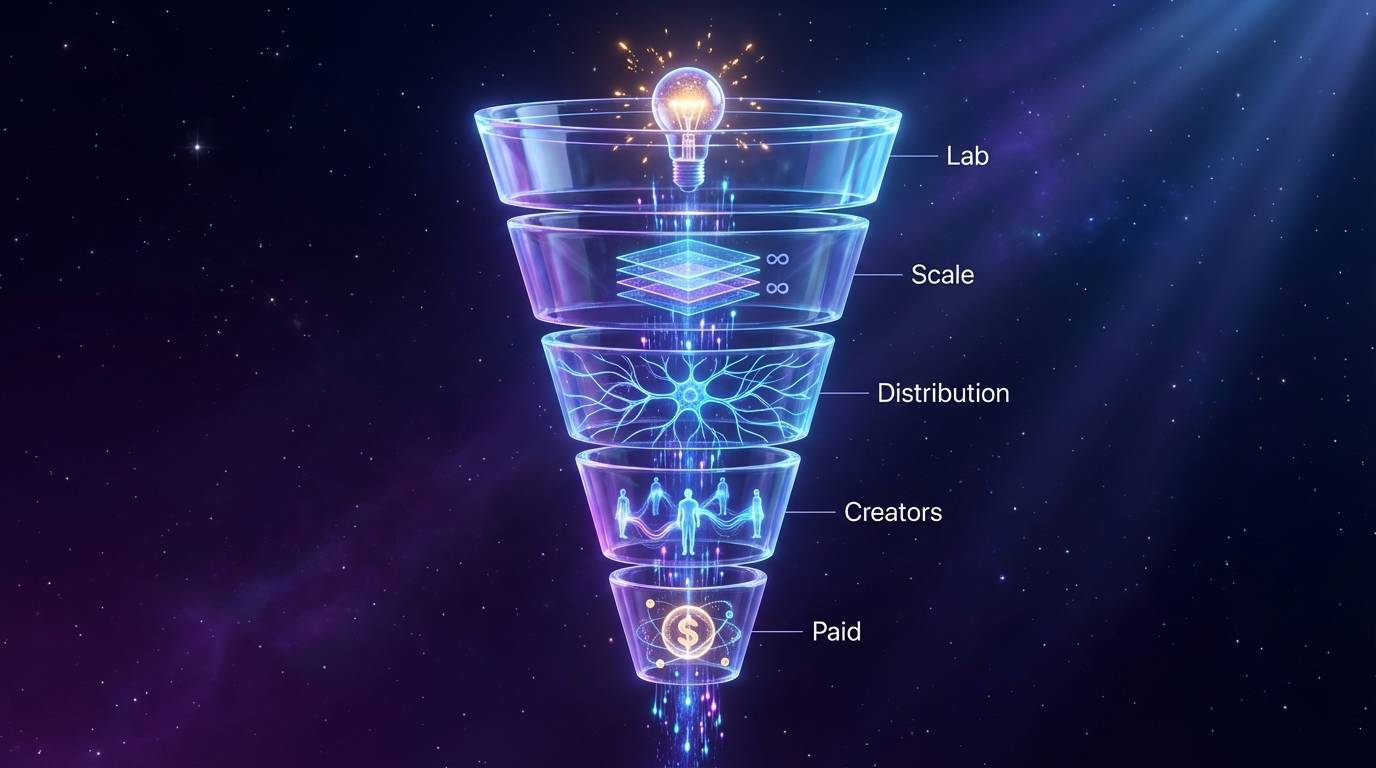
Creator collaboration fits into the broader LSDCP Framework as the fourth stage - amplifying proven content through authentic voices. Before investing heavily in creator programs, teams should validate their content model through the Lab and Scale stages first.
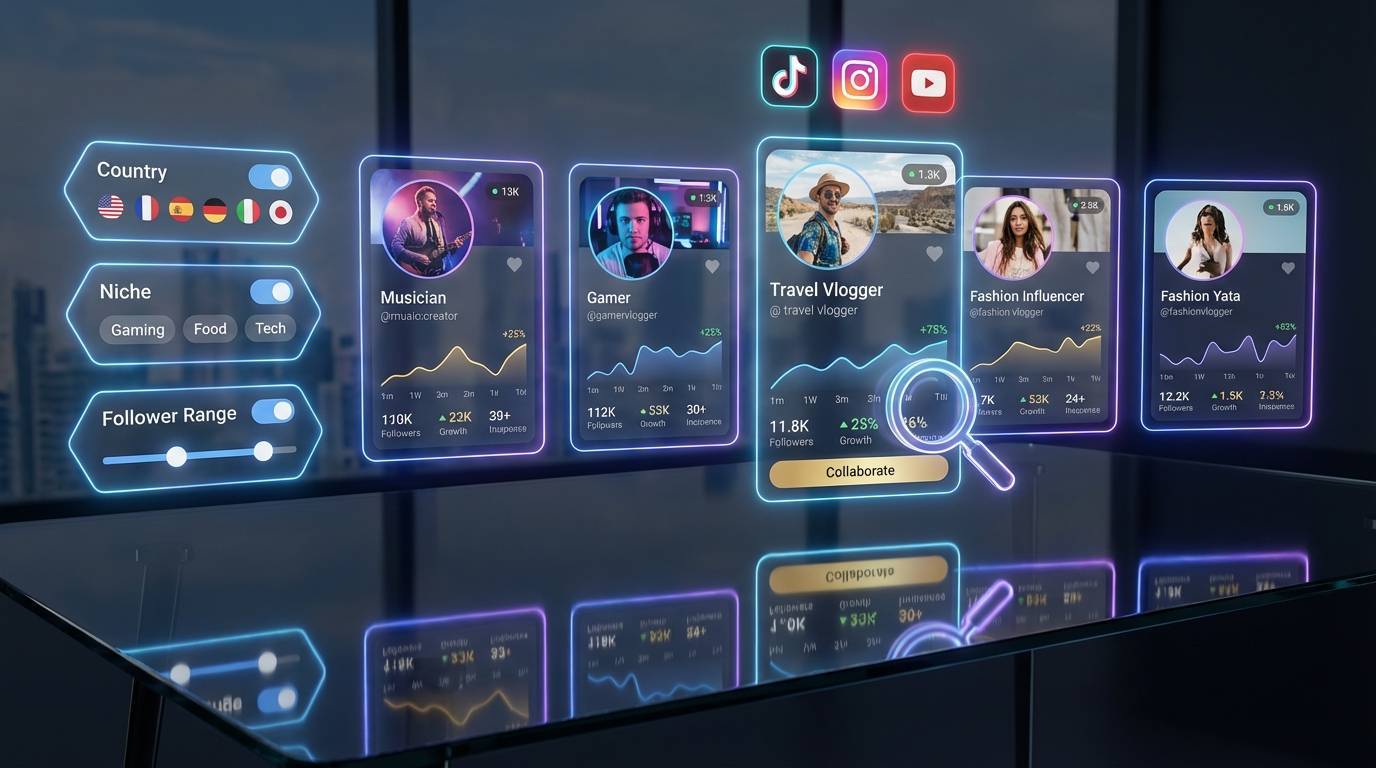
How to Find the Right Content Creators
The first step is building a targeted list of creators before reaching out or making deals. Mixing research and outreach leads to sloppy execution and inconsistent results. Separate these phases completely.
When searching for creators, focus on individuals who can produce and distribute content that genuinely benefits growth goals. Not all valuable creators are traditional influencers with large followings. Some top performers manage multiple slideshow accounts, run clipping operations, or started with brand-new accounts and zero audience - delivering outstanding results purely through content creation skills.
Key Traits to Prioritize
When evaluating creators for potential partnerships:
Geographic Alignment
Work with creators physically based in target countries to ensure authentic content that resonates with local audiences.
Cultural Authenticity
Find creators who embody their market - language, look, attitude, and vibe should feel native to the target demographic.
Engagement Consistency
Prioritize nano or micro-creators with steady engagement over follower counts. Use our free TikTok Money Calculator or YouTube Money Calculator to estimate creator value and fair pricing.
Coachability
Look for responsive creators open to feedback and iteration - the best partnerships involve continuous improvement.
Conversion Focus
Seek creators who naturally create content that drives action, not just views or engagement metrics.
Method 1: Find Experienced Creators from Competitors
The most reliable way to find high-quality creators is identifying those who already partner with companies in the same category - targeting the same audience but with distinct offerings. A creator who has generated millions of views for similar apps understands both the content formats that work and the audience being targeted.
Analyze competitor followers by reviewing the accounts that competitor brand profiles follow - these often reveal their creator partnerships. Explore competitor hashtags by searching branded hashtags on social platforms to find creators already producing content in the space. Search niche keywords using platform search with advanced filters to find accounts promoting relevant content within specific niches.
Method 2: Discover Creators Through Social Feeds
Platform algorithms can surface highly relevant creators when accounts are properly configured. Setting up a dedicated device for the target market and warming up a TikTok or Instagram account for at least five days - mimicking target persona behavior - trains the feed to recommend relevant creator profiles.
Within a week of consistent engagement with niche content, the For You Page or Explore feed will surface creators producing exactly the type of content needed. This organic discovery often reveals creators that databases and competitor analysis miss.
Method 3: Use Creator Databases
Traditional creator databases provide filtering and search capabilities across large creator pools. When selecting a database, prioritize update frequency to ensure data refreshes regularly for accuracy, and filtering granularity so detailed filters help pinpoint creators who align with specific niches.
AI-powered databases add topic-based search capabilities, making it possible to find creators based on specific subjects they cover rather than just demographics or follower counts.
Method 4: Explore Creator Marketplaces
Creator marketplaces connect brands with creators ready for collaborations. Results vary by industry and niche, but these platforms simplify initial discovery by pre-qualifying creators interested in brand partnerships.
Method 5: Tap Student Marketplaces
For companies targeting younger demographics, student job marketplaces offer access to creators with fresh perspectives on trending content. Students bring current cultural awareness, drive to build portfolios, and often more flexible availability than established creators.
Filter candidates by skills, commitment level, and communication style. Clear goals, regular feedback, and open communication make student collaborations successful despite less professional polish.
Method 6: Post on LinkedIn and X
Lead-magnet posts that attract creator talent can surface high-quality candidates organically. Posts can directly describe ambassador programs or indirectly attract content creators through related topics.
Asking applicants to engage with posts (like, comment, tag others) amplifies reach significantly. This approach works particularly well for finding creators who actively seek brand partnerships.
Method 7: Launch Creator Referral Programs
Referral programs with clear, appealing rewards tap into existing networks. Many high-performing creators are just one or two connections away from current contacts. Promoting referral programs through branded social accounts, build-in-public content, or even in-product CTAs expands reach beyond direct outreach.
How to Reach Out to Creators
Once the creator list is ready, outreach begins. Getting replies is fundamentally a numbers game. Two main approaches work: direct offers in the first message, or subtle conversation starters. Subtle approaches typically convert better, though response rates vary by market.
Outreach Method 1: Manual DMs
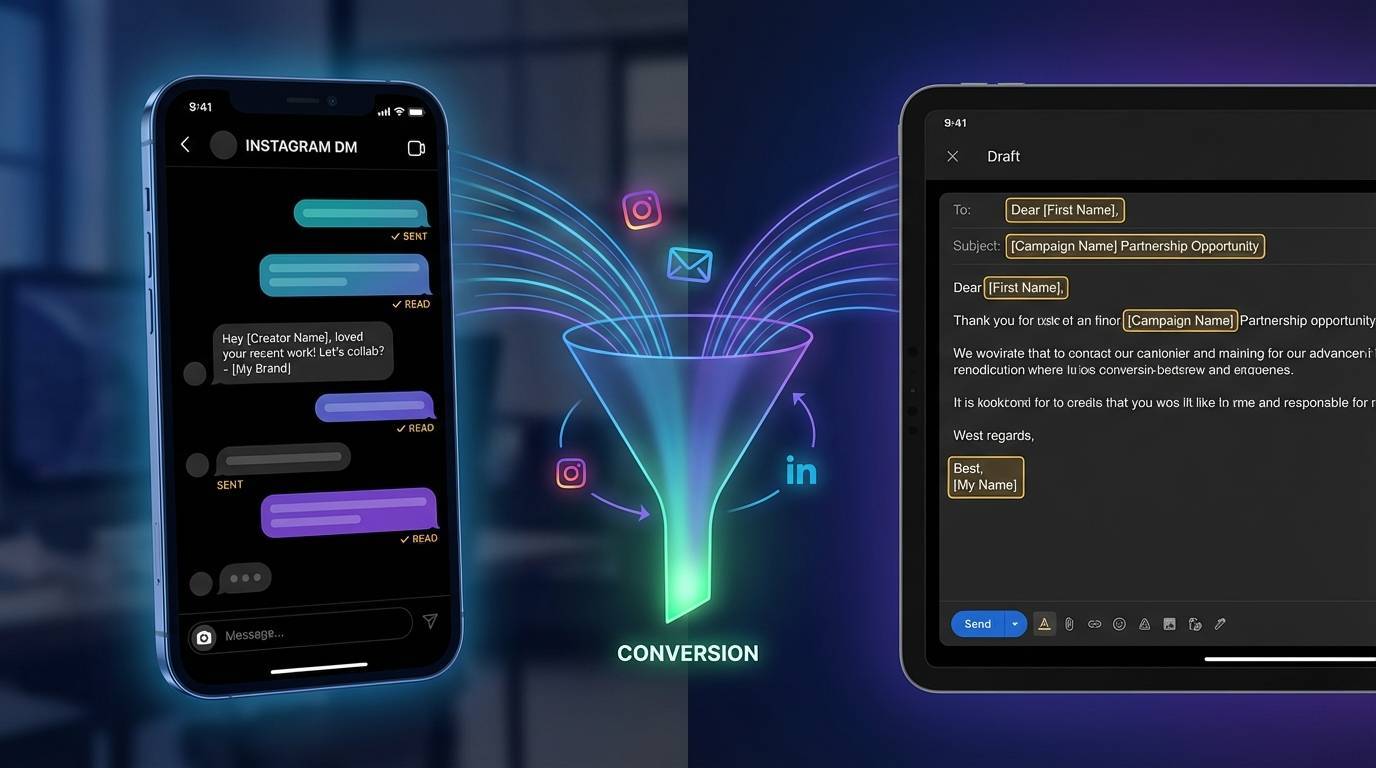
Direct messages on creators' primary social platforms generate the highest response rates. The process involves engaging with their content first, then following up with personalized messages.
Recommended message structure:
Hey [CREATOR NAME],

I'm [NAME] from @[COMPANY]!

If you haven't heard of us, we're [COMPANY DESCRIPTION]  -
currently [SOCIAL PROOF POINT].

I came across your account and really enjoyed your recent videos
about [PERSONALIZATION 1]. They reminded me of [PERSONALIZATION 2].

We're launching @[COMPANY] in [CREATOR COUNTRY] and would love
to do a paid collaboration with you (upfront fixed payment + % bonus).

Let me know if you'd like more details!
To maintain high personalization while scaling, delegate outreach to virtual assistants or interns who can send high volumes of genuinely personalized messages daily.
Outreach Method 2: Automated DMs via Browser Extensions
Browser extensions enable semi-personalized bulk messaging across Instagram, TikTok, Twitter, and LinkedIn. Keep DM frequency conservative (around 50 per day) and run outreach through dedicated accounts to avoid bans.
Outreach Method 3: Device-Based DM Automation
For higher-volume outreach without ban risk, device-based automation using OTG setups sends DMs directly from phones rather than web tools that platforms easily detect. This requires proper account warmup and distributed load across multiple devices to maintain organic appearance.
The Account Warmup Essentials course covers protocols that apply to outreach accounts as well as content posting accounts.
Outreach Method 4: Email via Mobile Shortcuts
iOS shortcuts can collect creator profile information, extract emails from bios, analyze profiles with AI, generate personalized outreach, log everything to spreadsheets, and send tailored emails automatically - all triggered while browsing social feeds without leaving the app.
Outreach Method 5: Cold Email Campaigns
Dedicated cold email tools enable scaled outreach with proper deliverability management. Key capabilities include domain warmup to avoid spam filters, personalization variables (name, niche, recent content), and multi-step sequences with automated follow-ups.
Cold email structure should include an intro explaining why them (mention their niche, content style, or specific work), a value proposition with proof (explain the offer with social proof or case studies), and a call-to-action with urgency (simple next step with scarcity like limited spots or campaign timing).
Keep emails short (3-5 sentences), use simple subject lines, include 1-2 personalized lines even at scale, and A/B test continuously.
How to Collaborate with Creators Effectively
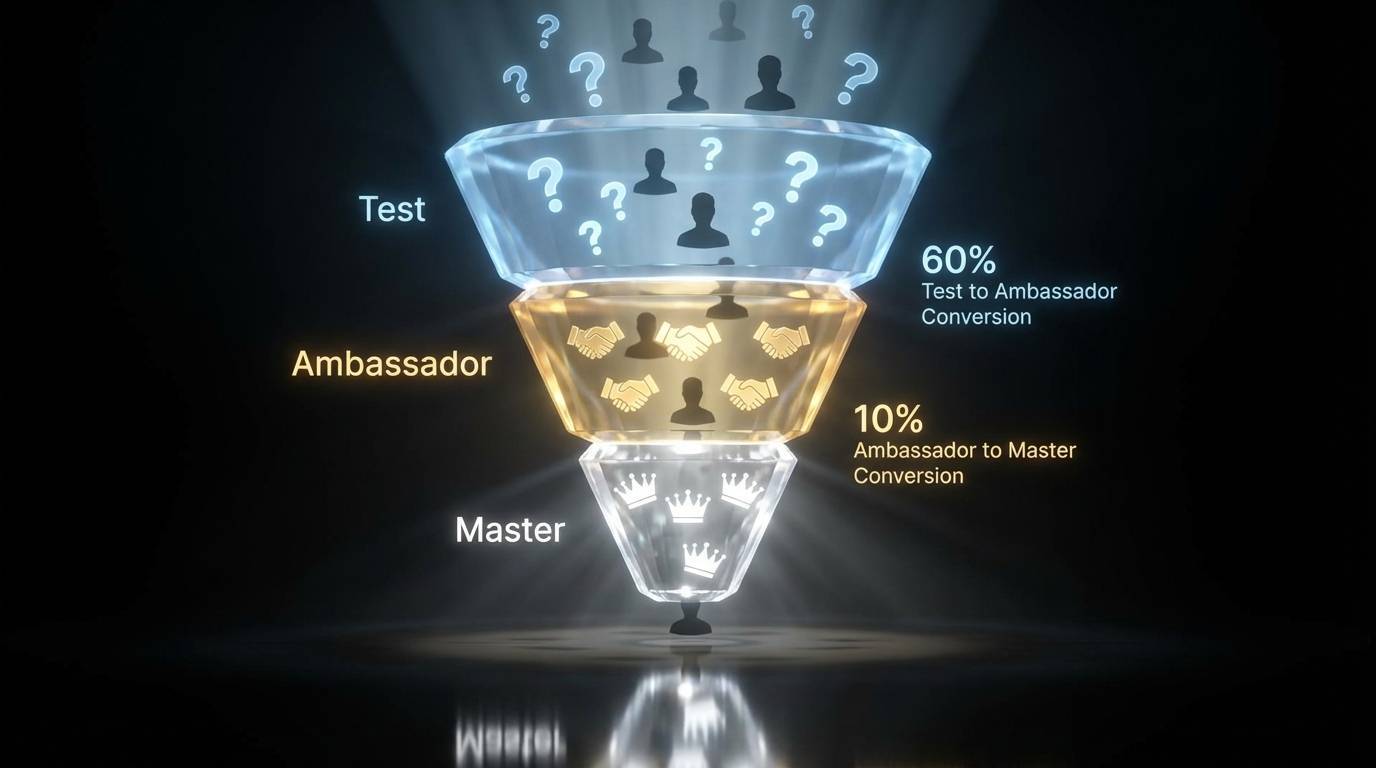
When creators respond, the goal is guiding them through a structured funnel that maximizes both performance and long-term partnership potential. Most collaboration failures don't come from "bad creators" - they come from unclear expectations, vague instructions, and misaligned asks.
Test Phase
Don't judge new creators by their very first video. The test phase evaluates whether creators have the foundations for long-term success, not whether they immediately go viral. Evaluate reliability first - response speed and clarity in communications, professional treatment of the project, and delivery consistency. Assess platform instincts including ability to catch trends early, music selection that aligns with current preferences, and feedback quality. For test onboarding, send a template with app details, sample videos, and suggested script structure following Hook → Problem → Solution → Call to Action.
Ambassador Phase
Creators who pass the test phase can become ambassadors with long-term partnerships, dedicated accounts, and representative roles. Ambassador onboarding includes dedicated account credentials provided by the company, monthly video quotas (typically 20 videos/month), compensation structure (fixed monthly payment + CPM bonus), and an ambassador guide with detailed app information, dos and don'ts, content inspiration, and best practices. Add ambassadors to country or region-specific groups for community building and peer learning.
Master Ambassador Phase
After 2-3 months of consistent results and solid working relationships, top ambassadors can become Master Ambassadors with expanded responsibilities. They continue creating content through their ambassador account, recruit and manage new ambassadors in their market, administer country-specific ambassador groups, and take accountability for their network's performance. Compensation includes standard ambassador rates plus incentives based on network performance - typically 25% of fixed payments for recruited ambassadors plus view-based bonuses.
The Viral Formula course covers hook patterns and video structure in detail.
Deal Structure Guidelines
Compensation varies by industry, business model, target audience, and brand awareness. Representative ranges:
Test Posts ($30-50 per video)
Initial collaboration to evaluate creator fit and content quality before committing to longer-term partnerships.
Ambassadors ($400-600 per month)
Long-term partnerships with dedicated accounts, monthly video quotas, and consistent content production expectations.
Master Ambassadors ($1,000-1,200 per month)
Expanded responsibilities including network recruitment, group management, and accountability for team performance.
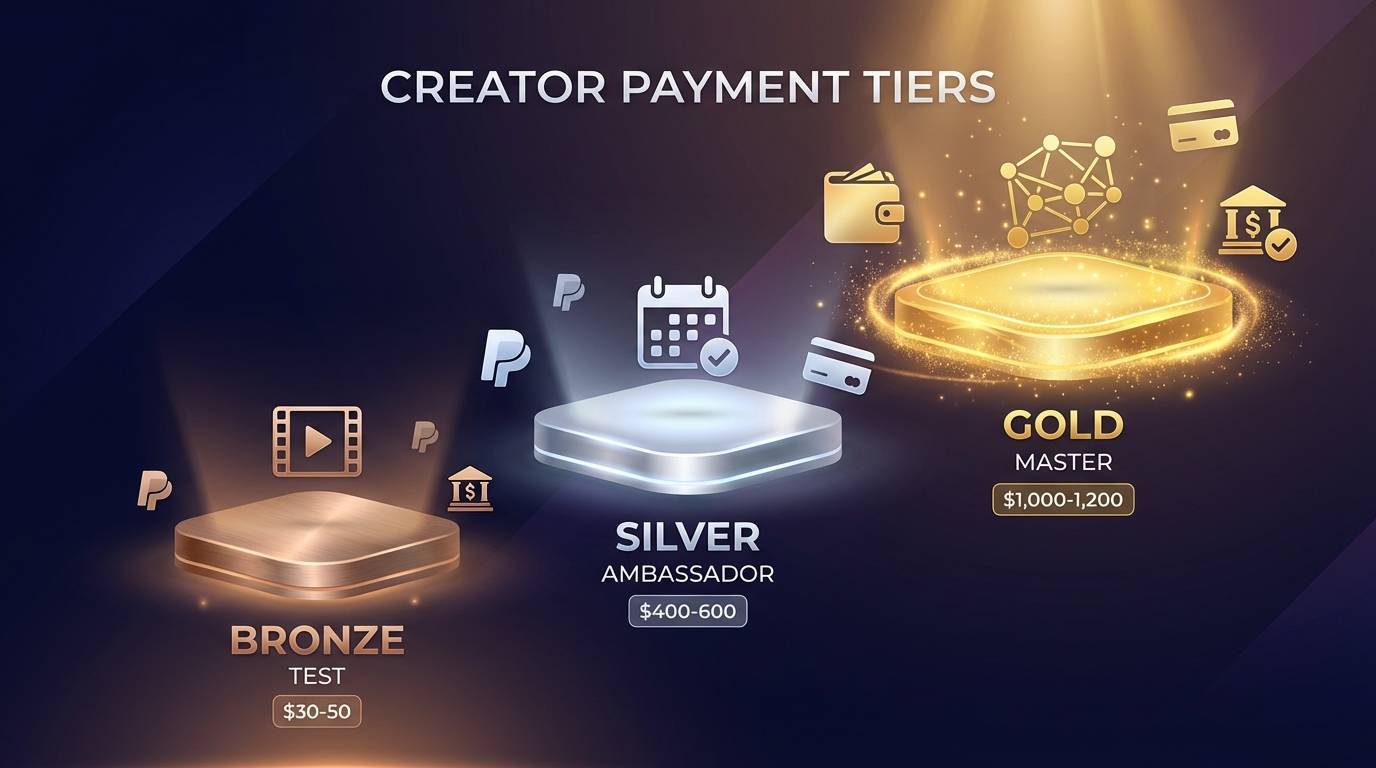
Payment methods typically include bank transfer and PayPal based on creator preference. For creators without registered businesses, payment acknowledgments confirm funds sent to individuals not subject to VAT, with income reporting left to creators based on local tax requirements.
How to Leverage Your Creator Network
A creator network becomes a powerful marketing asset beyond just content production. Multiple channels can benefit from established creator relationships.
Organic Content Scaling
Share top-performing organic content with creators and have them produce their own versions. Simple replication of proven formats typically multiplies views and conversions by 10-20x.
Tools like Renderfire can help generate content variations that creators can adapt, accelerating the process of turning one winning format into dozens of creator-specific versions. This workflow is particularly effective for e-commerce brands and DTC companies running product-focused campaigns.
Ad Creative Refresh
Ask creators to remake top-performing ad creatives, generating fresh variations of proven winners. These remixed versions can be uploaded into ad managers to maintain performance while combating creative fatigue.
Review and Social Proof Generation
Creators can collect product reviews from their audiences through build-in-public style content. Videos that spark curiosity and encourage authentic feedback generate valuable social proof while remaining compliant with platform guidelines.
The Content Repurposing & Distribution course covers strategies for maximizing content value across multiple channels.
Common Mistakes to Avoid
Frequently Asked Questions
How many creators should be in an initial outreach campaign?
Start with lists of 200-500 targeted creators per market. Expect response rates between 5-15% depending on outreach method and personalization quality. This yields 10-75 conversations per campaign, from which 5-20% typically convert to test collaborations.
What's the difference between influencers and creators for app marketing?
Traditional influencers have large existing audiences and charge premium rates for reach. Creators for app marketing include micro/nano accounts, faceless operators, and even beginners who excel at content creation. The focus is on content quality and format expertise rather than follower counts.
How long should the test phase last before promoting to ambassador?
Test phases typically run 2-4 weeks with 3-5 videos posted. This provides enough data to evaluate reliability, platform instincts, and content quality without over-investing in unproven partnerships.
Should creator content feel like ads or organic content?
Creator content should feel organic and native to the platform. Videos that look like advertisements typically underperform significantly. The goal is content that educates, entertains, or relates to viewers while naturally incorporating the product.
How do ambassador groups improve creator performance?
Country or region-specific groups create community, enable peer learning, and simplify communication. Creators share winning formats, discuss trends, and motivate each other. Group dynamics often improve individual performance beyond what direct management achieves.
When should companies start working with creators?
Creator programs work best after proving content models through internal testing. The [LSDCP Framework](/blog/lsdcp-full-funnel-marketing-framework) positions creators as stage four - amplifying content already validated through Lab, Scale, and Distribution stages. Starting creator programs before content validation wastes budget on unproven formats.
Key Takeaways
- 1 Build targeted creator lists using multiple sourcing methods before starting any outreach - separate research from contact
- 2 Personalized DMs on primary social platforms generate highest response rates, but volume matters across all channels
- 3 Progress creators through a structured funnel: test phase (reliability check) → ambassador (long-term partnership) → master ambassador (network management)
- 4 Evaluate creators on reliability and platform instincts during test phases, not immediate viral success
- 5 Creator networks multiply value beyond content - leverage them for organic scaling, ad creative refresh, and social proof generation
More Posts

Ready to start automating?
Join hundreds businesses growing with Renderfire