Target Audience: 14 Types + How to Find Yours (With Examples)

TL;DR
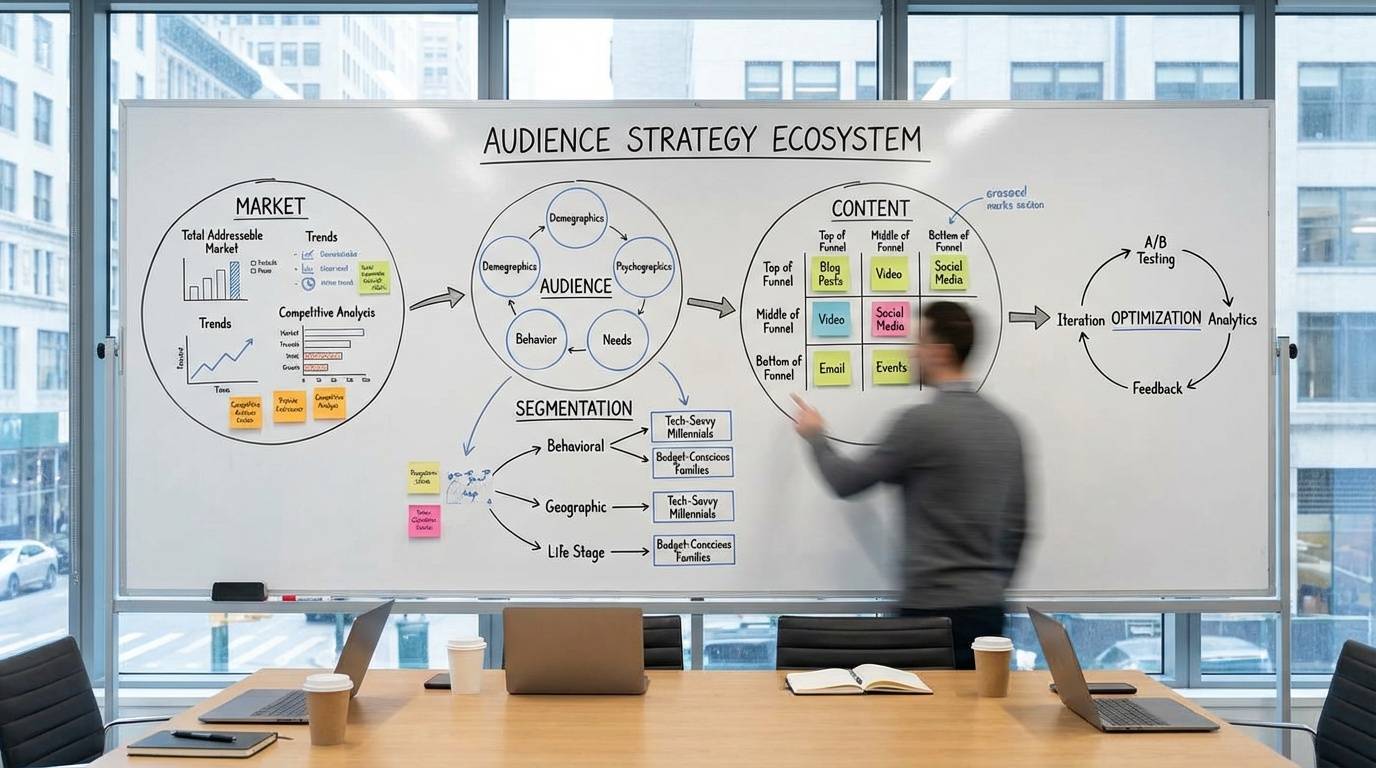
Your target audience is the specific group of people most likely to connect with your brand's values and convert into customers - distinct from your broader target market. While your target market defines the general pool of potential customers (demographics, geography, income), your target audience narrows to those you're actively reaching with specific campaigns based on behaviors, interests, and intent. Effective targeting requires understanding both primary audiences (most likely to convert now) and secondary audiences (influencers and future converters). The 14 segmentation types - demographic, psychographic, behavioral, geographic, contextual, technographic, generational, life stage, transactional, needs-based, channel-based, interest-based, professional, and intent-based - give you frameworks for precise targeting. Brands like Glossier, Peloton, and Spotify excel because they deeply understand their audiences and craft messages that feel personal even at scale.
What Is a Target Audience?
A target audience is the specific group of people your brand aims to connect with through marketing campaigns, content, or product launches. These aren't just random potential customers - they're the people whose values align with your brand, who resonate with your message, and who are most likely to take your intended action: making a purchase, downloading your app, subscribing to your newsletter, or engaging with your content.
Your target audience consists of people who connect with what your brand represents. This connection might manifest as interest in your offerings or simply resonating with your brand message. Either way, connection leads to conversion - and conversion is the goal of every business.
Knowing your target audience - and knowing how to appeal to them once you've identified them - is fundamental to scaling your business and creating effective strategy.
Why Should You Identify Your Target Audience?
Your target audience becomes the people who matter most. Strong business strategy isn't about casting a wide net - it's about reaching the right people, with the right message, at the right time. When you know your audience, you're not guessing in the dark. You know who your people are and what they want.
We live in an age where attention is one of the most valuable forms of currency. Random guessing doesn't work anymore. Think of the most successful brands today - none of them leave their messaging to chance. With a mix of data and creative insight, they figure out exactly who they're talking to and what to say.
Every audience has particular behaviors, preferences, motivations, and aversions. Deep understanding is key. Once you know these characteristics, you can craft functional messages - ones that are tailored, natural, and relevant. It's easy to feel generic, and it's easy to feel forced. The sweet spot lies somewhere in the middle, found only through contextual knowledge.
What's the payoff? It's not just a win for the right people who get what they want. It's also a win for your business. And another win of no small importance: a community forms around your brand.
Target Market vs. Target Audience: What's the Difference?
Target market. Target audience. The terms are often confused, but understanding the distinction helps you craft more effective campaigns.
What Is a Target Market?
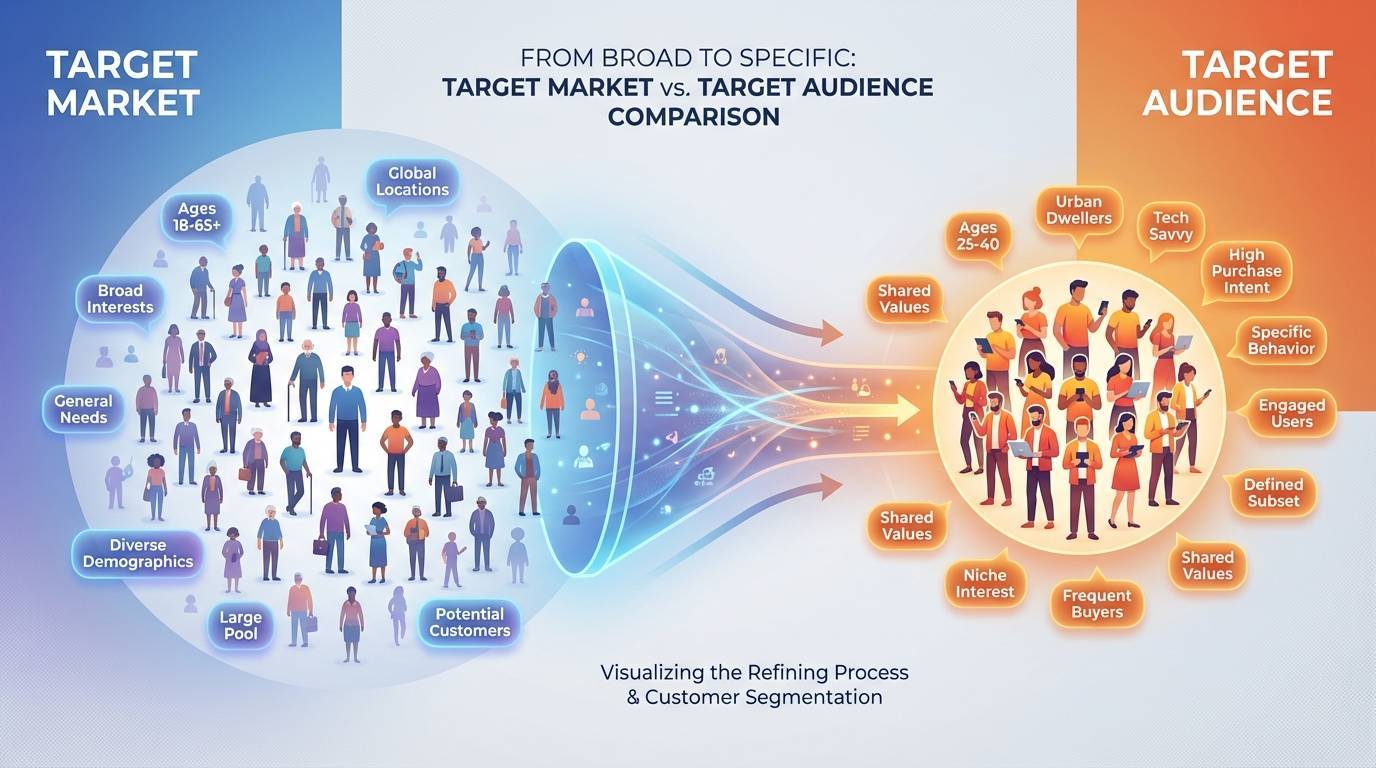
Your target market is the full spectrum of potential customers who fall within your brand's general fit. It's the broader landscape of people who could benefit from your product or service - not narrowed down to a specific campaign or message.
Target markets are typically defined by broader characteristics: age range, geographic location, income level, lifestyle interests, or industry.
Think of your target market as your starting point - the total pool you may potentially narrow down from. These people may or may not know their needs overlap with your offerings. Understanding your target market shapes your overall business and marketing strategy, guiding everything from product development to positioning and channel selection.
What Is a Target Audience?
Your target audience is the specific group you're aiming to reach with a particular message, campaign, or piece of content. It's a more focused, more intentional subset of your broader market.
Target audiences are chosen for specific traits: current behaviors, browsing history, frequent platforms, interests, and purchase intentions. In comparison to the overall market defined by general traits, your target audience is more likely to engage and take action.
By prioritizing this group's interests, you can tailor your creative strategy to their reception - speak directly to what matters most to them. The result is more relevant, more effective campaigns.
Example: A skincare brand might have a target market of "women between ages 20-40 who care about clean beauty." But for a retargeting campaign promoting their vitamin C serum, the target audience narrows to "women aged 25-30 who visited the product page but didn't purchase."
Both matter. The target market defines overall strategy; the target audience guides creative execution.
Understanding Primary and Secondary Target Audiences
Most brands cater to multiple customer types. This is where primary and secondary audiences come into play. Understanding both allows you to create campaigns that perform well short-term while building momentum long-term.
Primary Target Audience
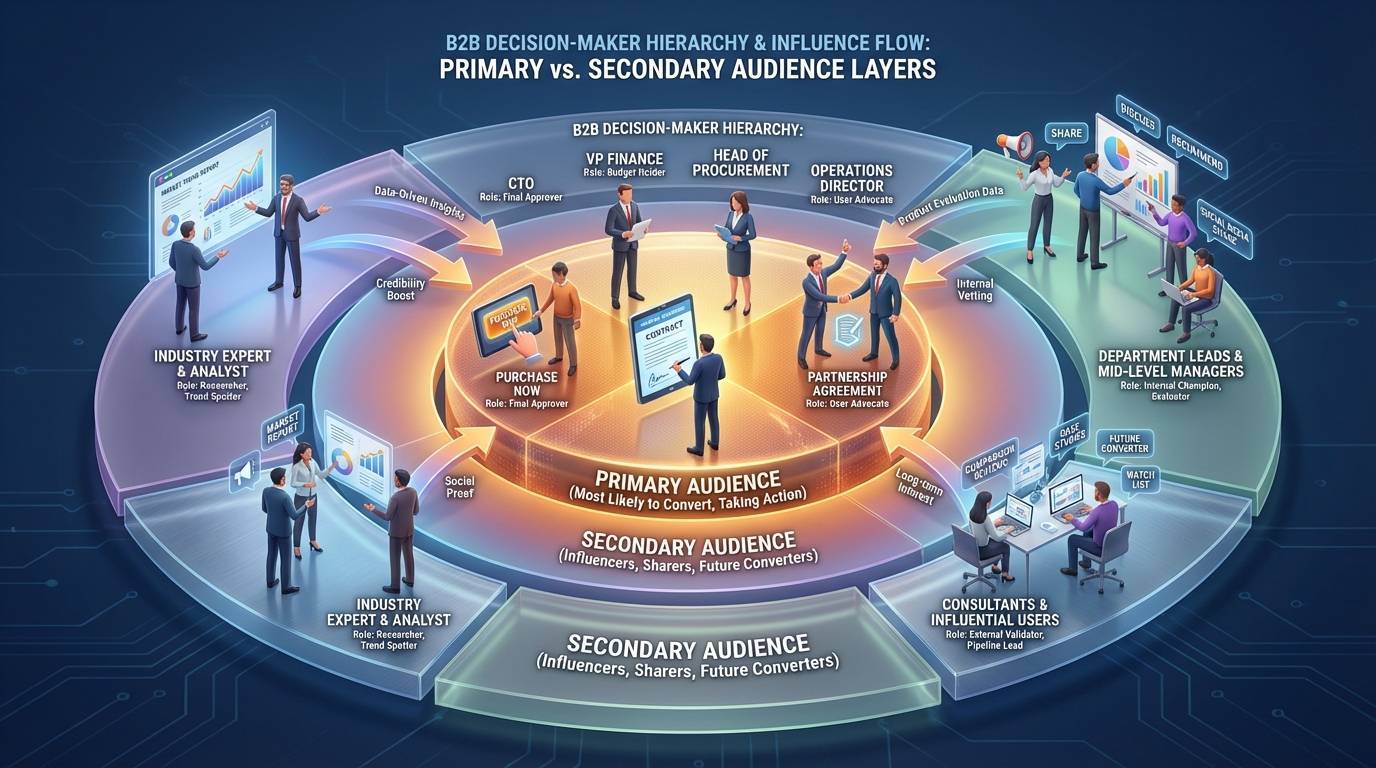
Your primary audience is the core group your campaign is built around - the people you most want to reach and who are most likely to take action in your desired timeframe. Actions include making a purchase, signing up for a service, clicking a button.
Your primary audience is the heart of your messaging and creative strategy. How they respond often becomes the measurement of campaign success. When you think about who your content speaks to, the first answer should be your primary audience. They're your most immediate opportunity for results.
Secondary Target Audience
Your secondary audience plays a supporting role - but this doesn't make them unimportant. Often their role is strategic: influencing decisions of your primary audience, sharing content, or spreading brand awareness. They have voice and sway in the conversation.
Secondary audiences may be friends, family members, colleagues, or casual browsers less likely to convert now but potentially converting later. They're worth attention because they can become primary audiences once they move into conversion territory - especially if they continue engaging with your content.
Example: A software company may have CTOs as their primary audience - they're the decision-makers who approve purchases. But IT managers often research options and influence final calls. Overlooking these peripheral decision-influencers means missing valuable opportunities and slowing the buying process.
That's why tailoring messages to multiple audience tiers matters. For businesses creating video content at scale, platforms like Renderfire enable rapid generation of multiple ad variations, each resonating with different audience segments - all from a single source concept. Whether you're targeting executives, implementers, or end users, you can adapt your message without multiplying effort.
When you account for both primary and secondary audiences, you invest in your brand's long-term future. Today isn't the only time that matters - it's about who's listening and sharing today, and who will be tomorrow.
14 Types of Target Audiences
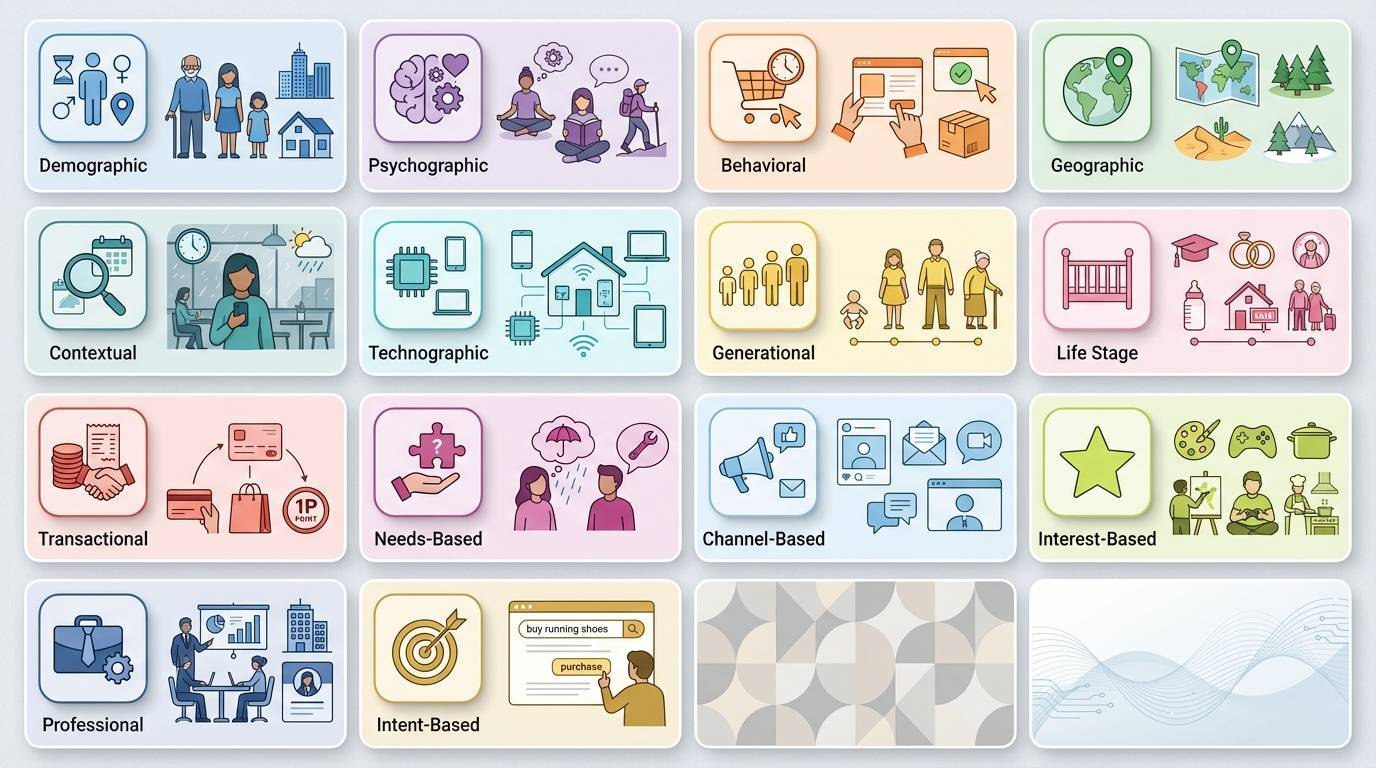
Understanding segmentation types makes it easier to craft focused messages. Once you identify which segmentation approach fits your audience, you gain clarity on strategy and terminology. Every piece of information brings you closer to connecting with your audience.
Demographic
Psychographic
Behavioral
Geographic
Contextual
Technographic
Generational
Life Stage
Transactional
Needs-Based
Channel-Based
Interest-Based
Professional
Intent-Based
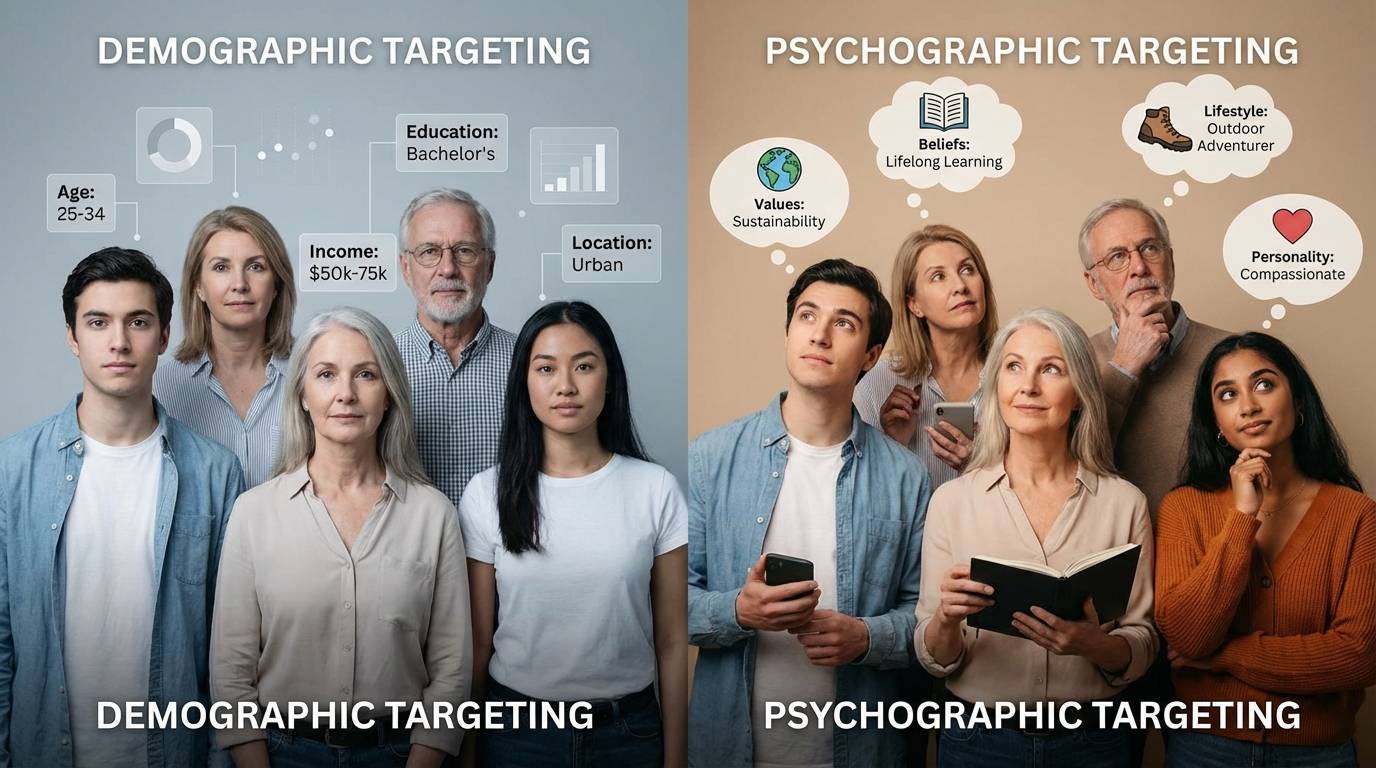
Layering these segments together creates truly impactful targeting - the more dimensions you understand, the more precisely you can speak to your audience.
14 Target Audience Examples to Guide Your Strategy
Theory becomes practice with concrete examples:
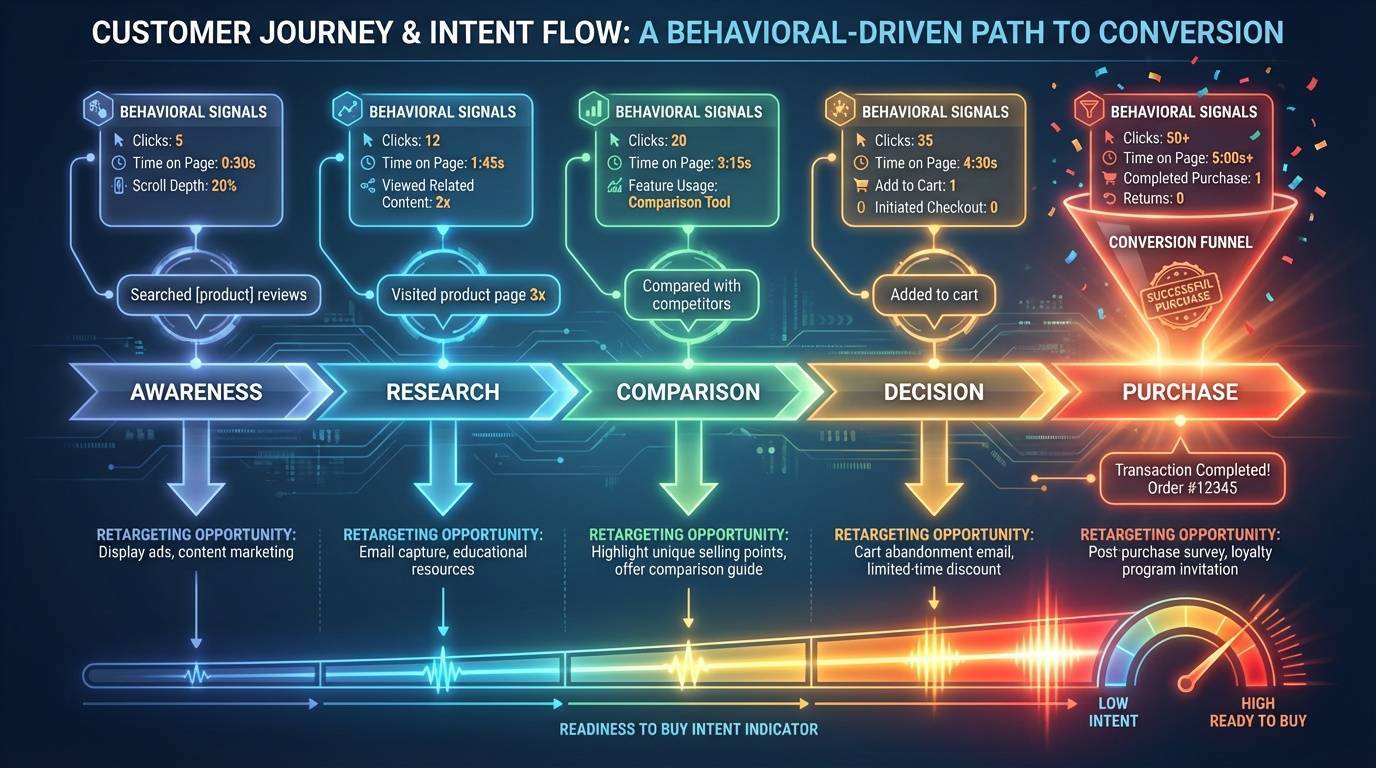
Demographic
Psychographic
Behavioral
Geographic
Contextual
Technographic
Generational
Life Stage
Transactional
Needs-Based
Channel-Based
Interest-Based
Professional
Intent-Based
Each example can inform content tailored to specific mindsets and journeys. For industry-specific targeting strategies, explore our guides for e-commerce brands, fashion businesses, SaaS companies, and marketing agencies.
How to Identify Your Target Audiences Effectively
Data gets you started, but connection requires empathy. Effective audience identification begins with examining your current customer base - who buys from you most, and what do your best customers have in common? This initial information is critical for starting the journey.
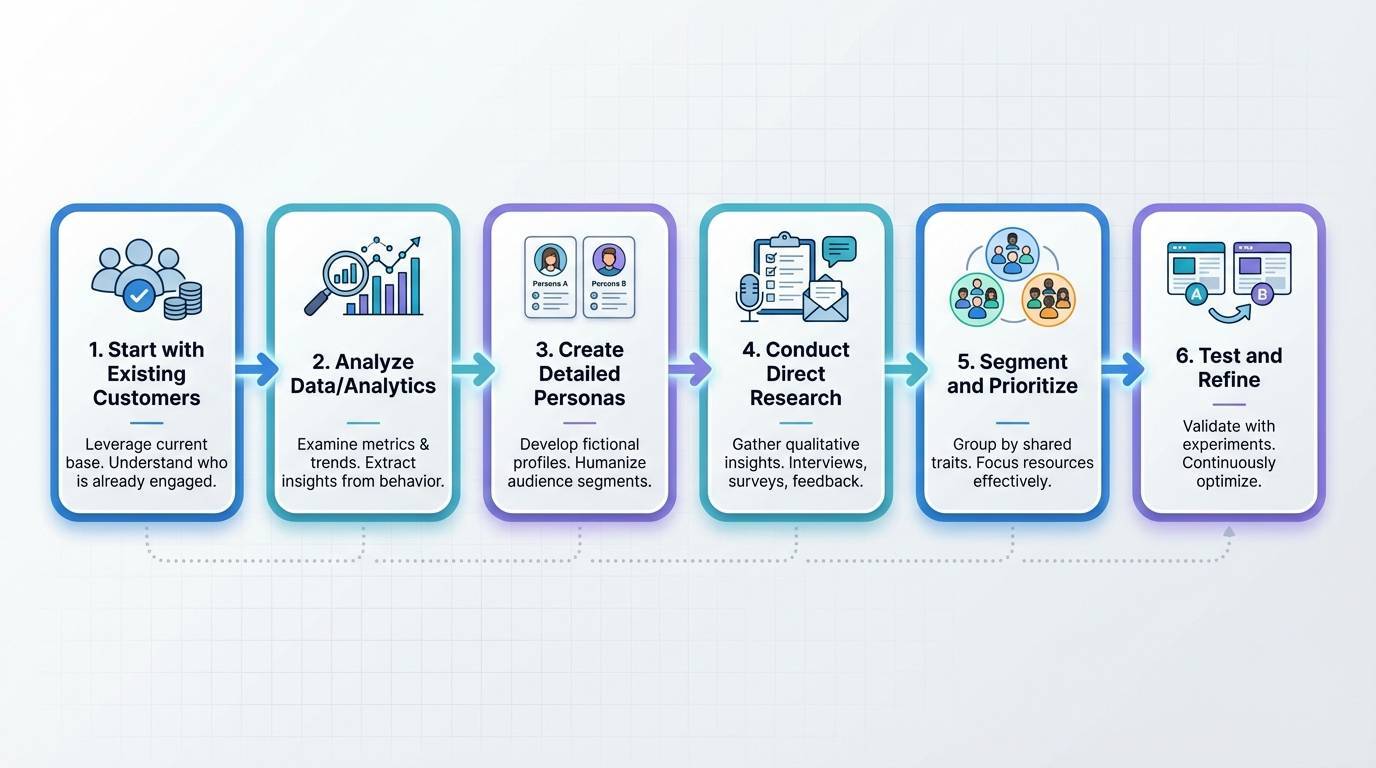
From there, use tools like Google Analytics, Meta Audience Insights, and your platform dashboards to spot behavior trends and demographic patterns. Data reveals what intuition misses. Then create detailed personas - think of them as character profiles with names, jobs, goals, and fears. The more real they feel, the more focused your messaging becomes, even if these people are fictional.
Direct communication with your audience through surveys, polls, and DMs reveals insights data can't capture. Ask questions like "What made you choose us?" or "What almost stopped you?" Useful information emerges from these conversations. Finally, modern AI tools don't just create content - they align creative strategy with different audience types through AI-powered customization. For businesses building organic marketing reach across TikTok, Instagram, and YouTube, platforms like Renderfire transform audience insights into video ads without long lead times or extravagant production costs. Test messaging, try new concepts, and create content your target audience will actually connect with. The better you understand your audience, the more relevant - and profitable - your messages become.
For a deeper dive into building your brand foundation and understanding your customers, see our Brand Foundations course.
Target Audience Examples from Real Brands
For inspiration, here's how well-loved brands find and serve their target audiences:
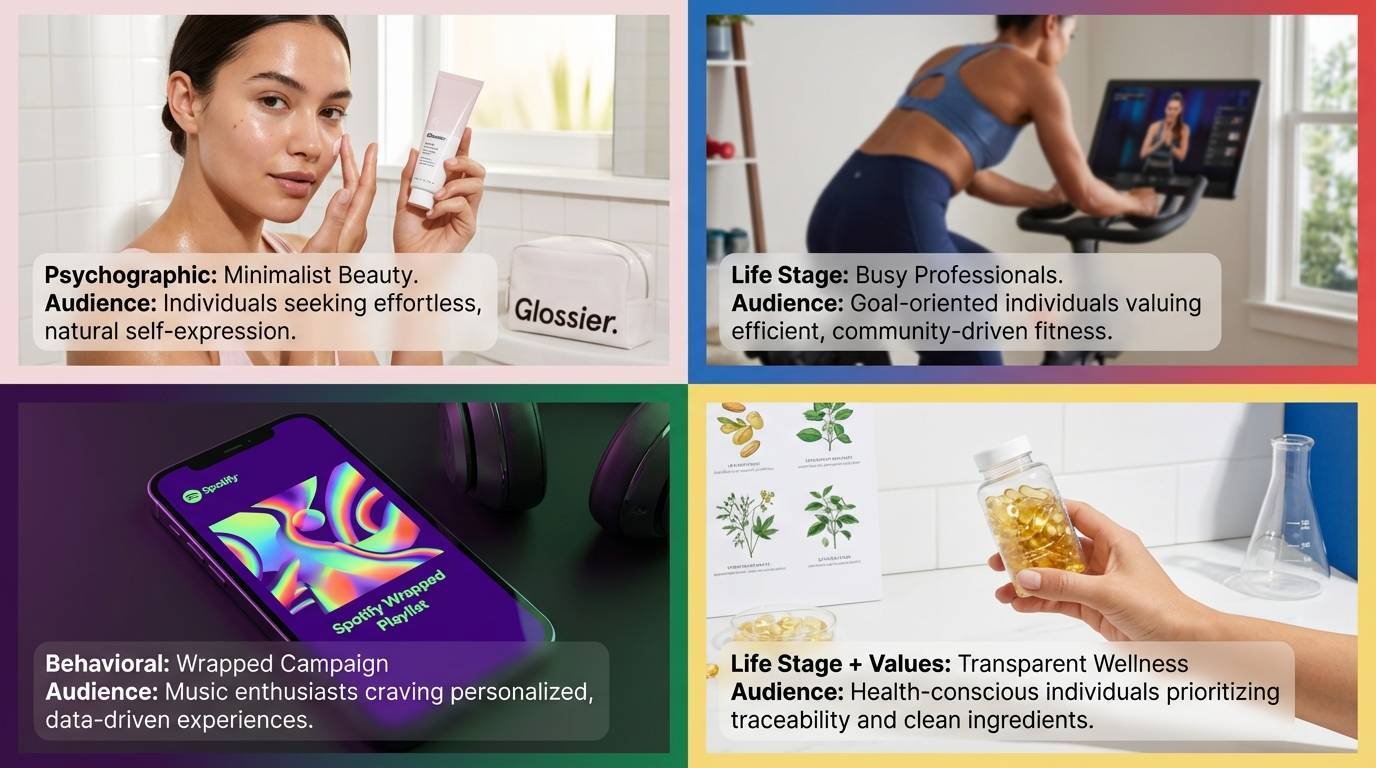
Glossier: Psychographic Targeting
This beauty brand speaks directly to minimalists and skincare enthusiasts who care more about healthy skin and authenticity than full-glam looks. Their tone - effortlessly casual and community-oriented - resonates with young women who prefer realness over high-maintenance beauty standards. From clean packaging to conversational copy, everything aligns with their audience's lifestyle and values. Fashion brands can learn from Glossier's approach to building authentic community connection.
Peloton: Life Stage Targeting
Peloton tailors campaigns to busy professionals, new parents, and active retirees. The brand understands each life stage brings different fitness goals, time constraints, and motivators. Their ads are never one-size-fits-all - messaging and visuals shift to reflect who's watching, making offers feel personalized and encouraging.
Spotify: Behavioral Targeting
Spotify's annual "Wrapped" campaign exemplifies behavioral targeting. Built entirely around individual user behavior - most-listened songs, artists, and genres - Spotify turns data into fun, shareable content. Even automated at massive scale, Wrapped feels deeply personal. By reflecting users' habits back at them in engaging ways, Spotify deepens emotional connection and brand loyalty.
Ritual: Life Stage + Psychographic Targeting
This subscription vitamin company targets specific life moments: prenatal, postnatal, teens, men, women 50+. But they go deeper than biology. Their brand voice speaks to modern, health-conscious consumers who value transparency and science-backed ingredients. Rather than fear-based tactics common in supplements, Ritual leans into empowerment and education - appealing to those who want to feel informed and in control. DTC brands often use similar life-stage targeting strategies.
ThredUP: Interest-Based + Values-Driven Targeting
The online consignment store speaks directly to eco-conscious shoppers who care about reducing waste and shopping sustainably. They target fashion lovers who are budget-savvy and environmentally aware. Campaigns like "Fashion Footprint Calculator" help customers feel good about purchases while aligning with lifestyle and identity.
These brands prove that understanding your audience - and crafting content that meets them where they are - builds trust and drives action.
Scaling Your Audience Strategy with AI
Understanding your audience is step one. Creating content that reaches each segment effectively is step two - and that's where scale becomes challenging.

Traditional approaches require creating separate content for each audience segment - multiplying production time and cost. Modern AI tools change this equation.
For businesses building organic marketing reach across TikTok, Instagram, and YouTube, platforms like Renderfire enable rapid content creation tailored to different audience segments. Generate UGC-style videos, faceless videos, TikTok slideshows, and ad variations from single concepts. Test messaging across segments without multiplying effort.
Whether you're testing new approaches with your primary audience or creating content that speaks to secondary audiences, AI-powered tools help you move fast while staying relevant to each group. Learn more about content creation at scale in our Content Strategy course.
Frequently Asked Questions
What's the difference between target market and target audience?
Your target market is the broad group of potential customers who could benefit from your product or service - defined by general characteristics like age range, location, and income. Your target audience is a specific subset you're actively trying to reach with a particular campaign or message - defined by behaviors, interests, platform preferences, and purchase intent. Think of target market as your total potential pool; target audience is who you're speaking to right now.
How many target audiences should a brand have?
Most brands have multiple target audiences, typically organized into primary (most likely to convert) and secondary (influencers and future converters) tiers. The exact number depends on your product range and marketing objectives. A focused brand might have 2-3 distinct audiences; a diverse brand might have 5-10. The key is ensuring each audience is well-defined and that you can create relevant content for each without spreading resources too thin.
How do I identify my target audience if I'm just starting?
Start with your best assumption about who would benefit most from your offering. Create initial content, launch, and study the data - who actually engages, clicks, converts? Early adopters often reveal your true audience. Conduct surveys, analyze competitors' audiences, and create detailed personas. Refine continuously as real data replaces assumptions.
Should I target the same audience across all platforms?
Not necessarily. Different platforms attract different demographics and behaviors. Your TikTok audience might skew younger and respond to trending, casual content, while your LinkedIn audience might be professionals interested in thought leadership. Channel-based segmentation recognizes these differences. Create platform-specific variations that speak to how each audience uses that particular channel.
How often should I update my target audience research?
Audiences evolve constantly. Quarterly reviews are a good baseline - check whether your assumptions still hold, whether new segments are emerging, and whether existing segments' behaviors are changing. Major market shifts, product launches, or significant performance changes should trigger immediate reassessment. Static audience definitions become outdated quickly.
What's the biggest mistake brands make with target audiences?
Trying to appeal to everyone. Broad targeting wastes resources on people unlikely to convert and creates generic messaging that resonates with no one. The second biggest mistake is defining audiences too narrowly, missing viable segments. The balance is specific enough to create relevant messaging, broad enough to achieve meaningful scale.
How do I know if I'm targeting the right audience?
Metrics tell the story. High engagement rates, strong click-through rates, and solid conversion rates indicate audience-message fit. If you're getting views but no engagement, your content may be reaching the wrong people. If you're getting engagement but no conversions, your audience may be interested but not buyers. Track the full funnel and adjust targeting based on where performance breaks down.
Key Takeaways
- 1 Your target audience is the specific group most likely to connect with your brand and convert - distinct from your broader target market
- 2 Target markets define overall strategy (demographics, geography); target audiences guide specific campaign execution (behaviors, intent)
- 3 Primary audiences are most likely to convert now; secondary audiences influence decisions and may convert later
- 4 The 14 segmentation types provide frameworks for precise targeting: demographic, psychographic, behavioral, geographic, contextual, technographic, generational, life stage, transactional, needs-based, channel-based, interest-based, professional, and intent-based
- 5 Effective identification requires data analysis, detailed personas, direct audience communication, and continuous testing
- 6 Successful brands like Glossier, Peloton, and Spotify deeply understand their audiences and craft messages that feel personal at scale
- 7 AI tools enable creating content variations for different segments without multiplying production effort
More Posts
Ready to start automating?
Join hundreds businesses growing with Renderfire