Kling 2.6 Review: Audio Generation, Camera Controls & What's New

TL;DR
Kling 2.6 represents a major leap forward in AI video generation, building on the foundation of Kling 2.5 Turbo and Kling O1. Key features include advanced motion physics (cloth, hair, object interactions), stronger identity stability across shots, expanded keyframe interpolation with multiple anchor points, sophisticated multi-reference fusion, comprehensive camera language controls (lens selection, movement paths, effects), improved scene coherence, higher resolution output up to 1080p, and - most significantly - simultaneous audio-visual generation including speech, dialogue, sound effects, ambient audio, and lip-sync capabilities.
The Evolution of AI Video Generation
AI video models are evolving at an unprecedented pace. Each major update introduces new capabilities, new levels of realism, and new workflows that expand what creators can produce with text, images, and reference clips.

Kling has been one of the most closely watched engines across creative, commercial, and technical communities. The development pattern reveals clear priorities: Kling 2.5 introduced speed, stability, reference fidelity, and start/end-frame logic. Kling O1 expanded further with multimodal integration, improved camera motion transfer, and stronger character consistency.
With Kling 2.6, released December 3, 2025, Kling is now the most creator-centric video model available. For marketing teams using Renderfire, understanding these capabilities informs content strategy and production planning.
Motion Understanding and Natural Physics
Video models are still learning to handle natural physics - inertia, cloth movement, hair sway, weather interaction, weight, gravity, collision, and object dynamics. Kling 2.5 Turbo improved motion smoothness, and Kling 2.6 takes physical realism significantly further.

Physics Improvements
Cloth and Fabric Simulation
Hair Physics
Object Interactions
Camera-Motion Realism
Character Gait Improvements
These upgrades depend on better motion embeddings, larger video-training datasets, and improved temporal coherence - all areas where Kling has demonstrated rapid growth.
Identity Stability Across Shots
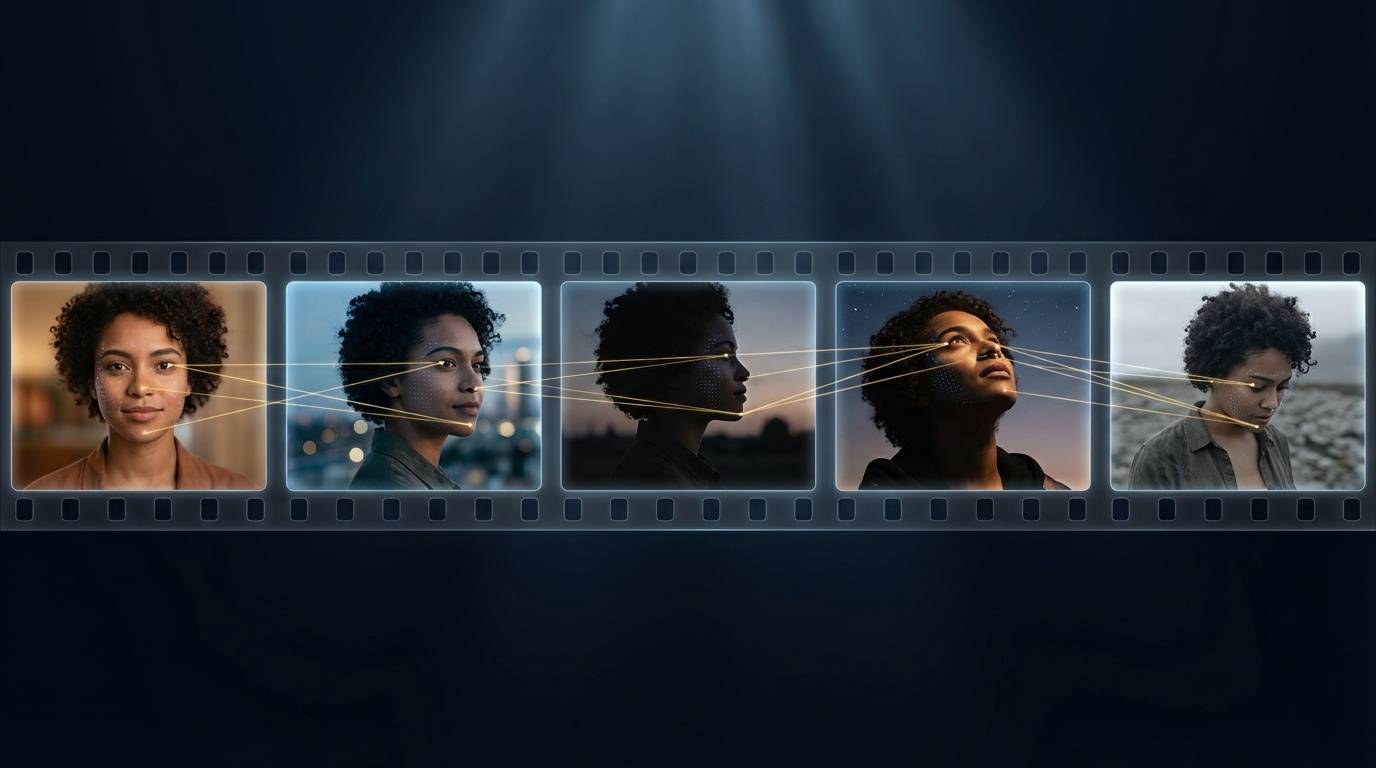
Identity consistency is the Achilles' heel of many video models. Even state-of-the-art engines that maintain a face for 1–2 seconds often begin drifting in longer clips or across multiple shots.
Kling O1 introduced "unified multimodal memory," enabling characters to remain stable across 3–10 second shots. Kling 2.6 refines this significantly.
Identity Improvements
Complex Angle Survival
Outfit Consistency
Cross-Shot Continuity
High-Risk Region Accuracy
For creators building stories, commercials, or short films, identity stability represents one of the most crucial upgrades for professional-quality output.
Expanded Keyframe Interpolation
Start and End Frame control transformed AI video workflows in Kling 2.5 Turbo. Creators could define opening and closing moments, and the model would calculate smooth paths between them.
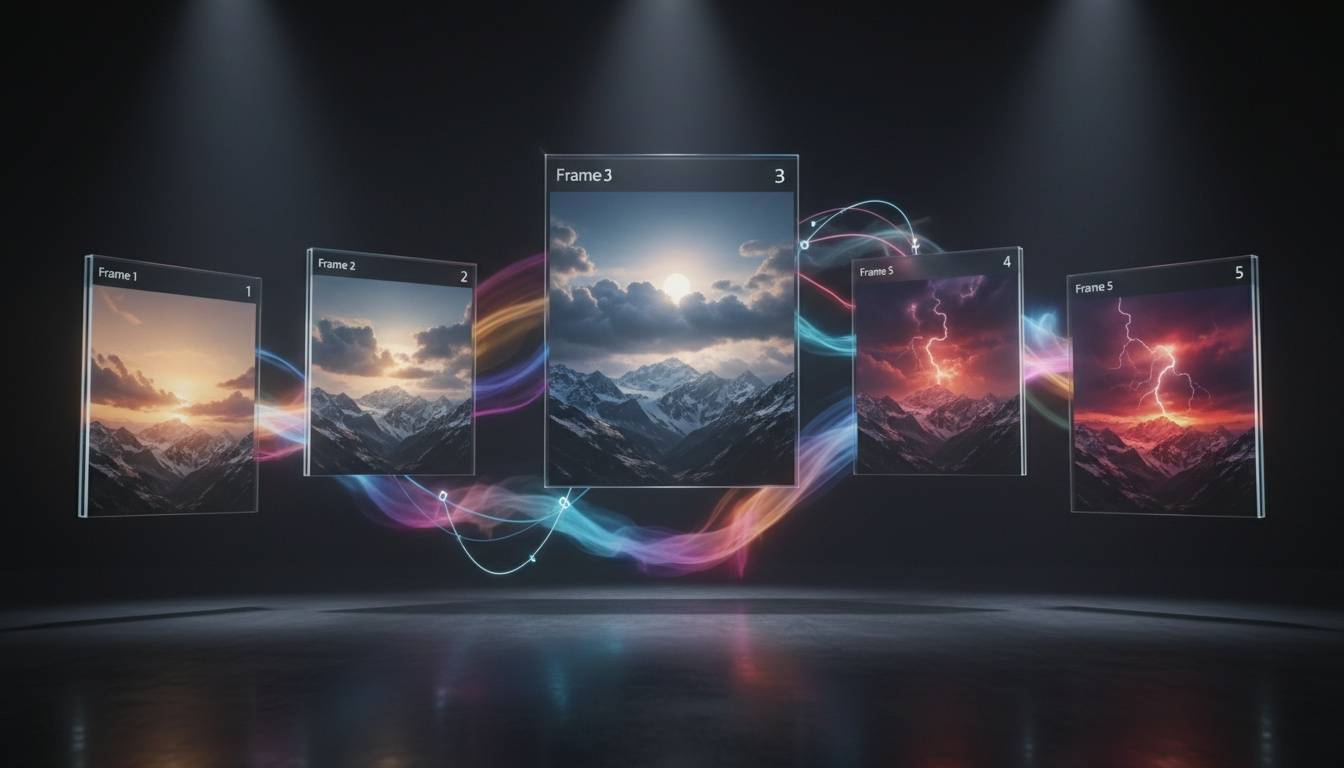
Kling 2.6 expands this capability dramatically.
Keyframe Features
Multiple Anchor Frames
Advanced Interpolation
Camera Trajectory Prediction
Emotion and Expression Interpolation
Physical State Transitions
This brings Kling closer to a true keyframe-based animation engine - familiar territory for motion graphics artists and animators.
Multi-Reference Fusion
Creators increasingly want to mix multiple inputs to achieve specific results. A typical request might combine: a character photo, a location reference, a lighting reference, a camera motion clip, a style sample, and a text prompt.
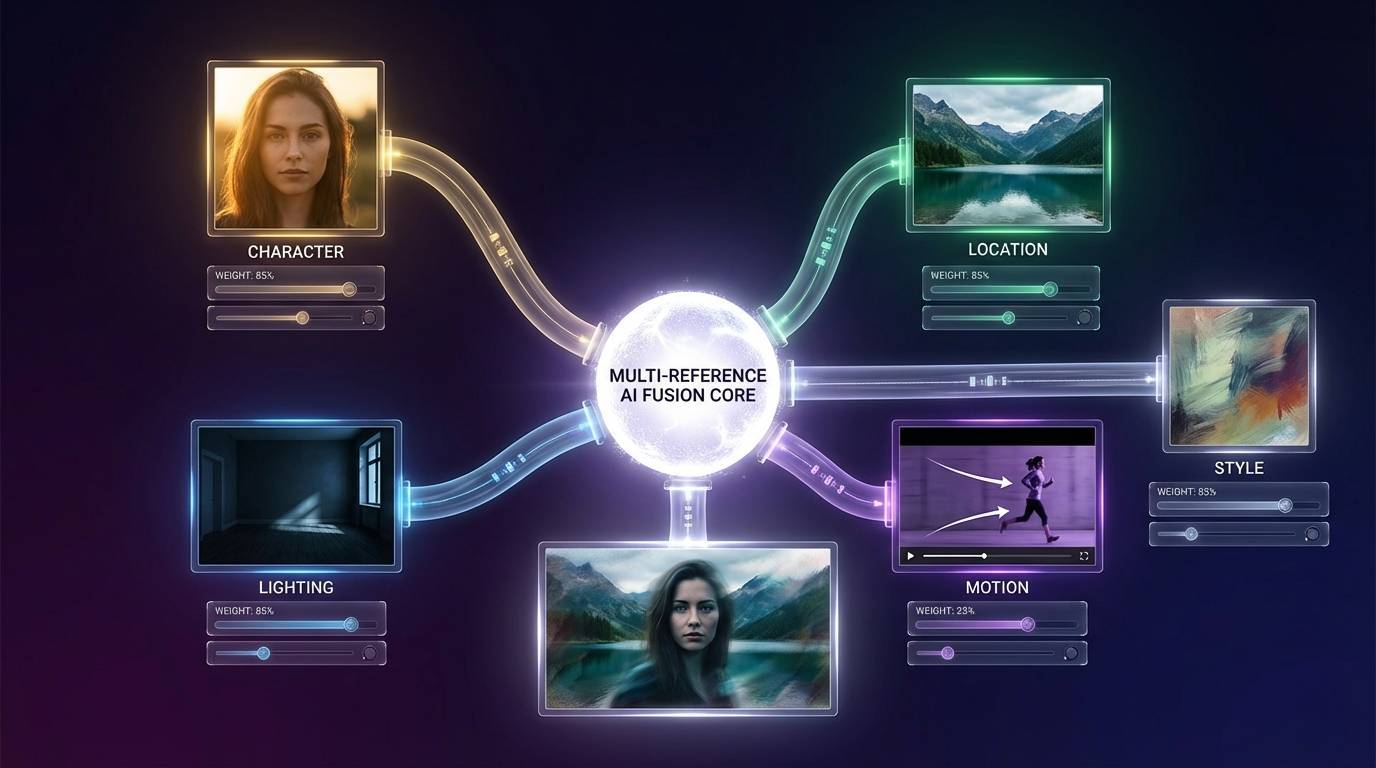
Kling O1 supported multi-reference input, and Kling 2.6 dramatically improves the fusion logic.
Multi-Reference Capabilities
Hierarchical Weighting
Reference Blending
Hybrid Input Logic
This transforms the model from a single-frame interpreter into a true multi-reference director - essential for brand-consistent commercial production.
Comprehensive Camera Language
Creators consistently name camera control as the biggest missing piece in video AI. Professional filmmakers think in terms of lens choices, movement styles, and optical effects that current models handle inconsistently.
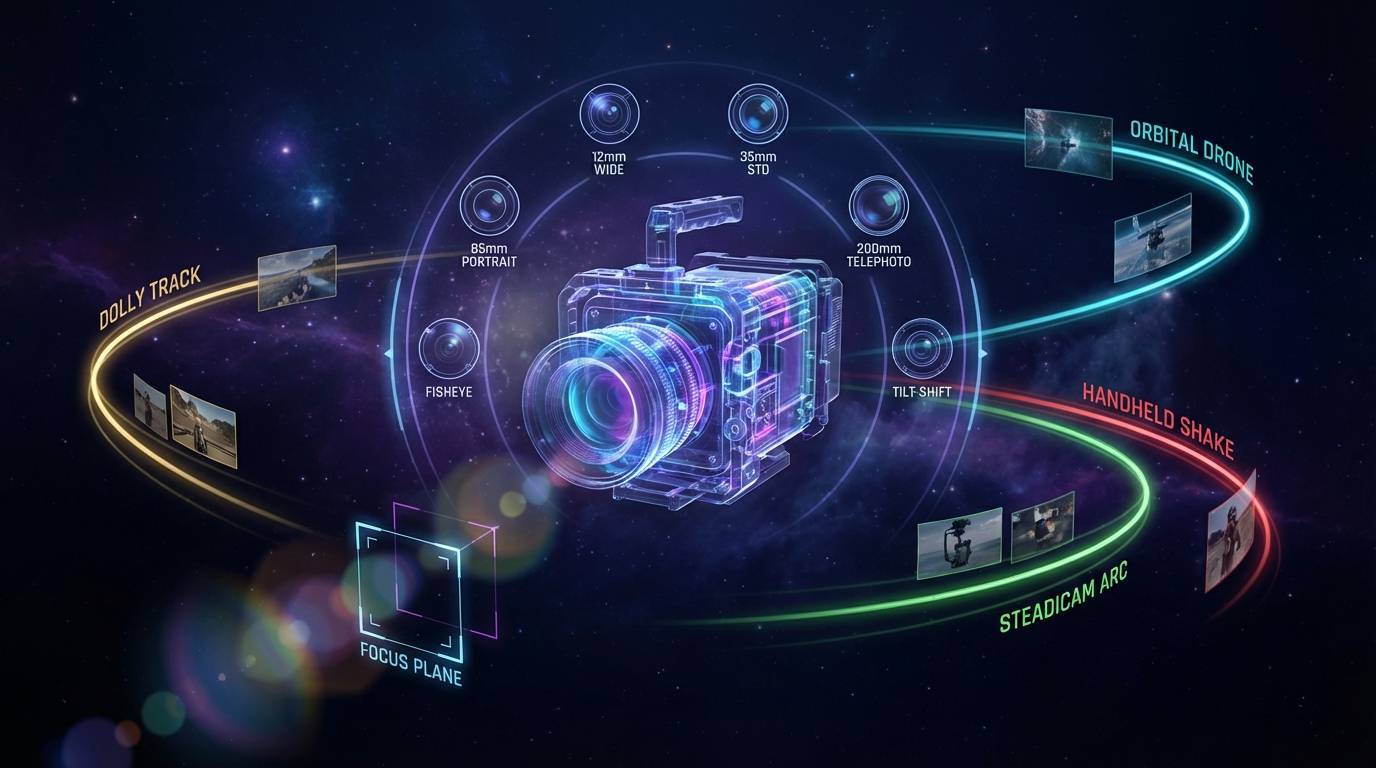
Kling 2.6 delivers a full suite of cinematic tools, and ranks #1 for moving camera shots on AI video leaderboards.
Camera Controls
Lens Selection
Camera Effects
Described Camera Logic
Kling O1 showed the first hints of sophisticated camera language. Kling 2.6 positions itself as the first AI video engine with true cinematographer-level control.
Scene Coherence and Environmental Stability
One of the most visible improvements in each Kling release has been environmental logic - keeping scenes stable and coherent throughout shots.
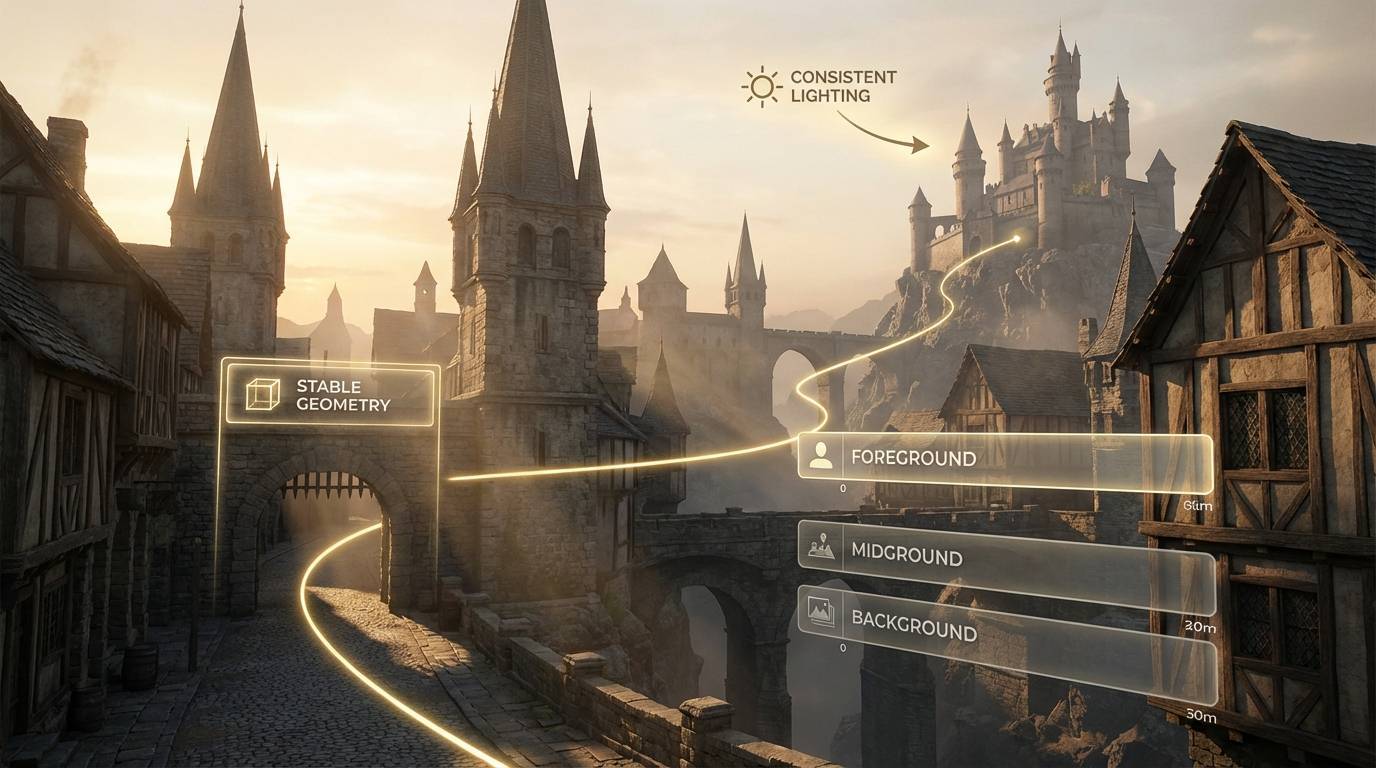
Coherence Improvements
Architectural Stability
Light-Source Logic
Color Consistency
Depth-Aware Motion
Weather and Particles
These improvements benefit filmmakers, worldbuilders, travel content creators, and VFX artists working with AI-generated footage.
Higher Resolution and Faster Generation
Most AI video engines generate at 720p or 768p and upscale with separate models. Kling 2.6 introduces native high-resolution generation.
Resolution Capabilities
Speed Improvements
Given that creators iterate dozens of times per shot, even 20–30% generation time reduction has enormous workflow impact.
Advanced Editing and Post-Production
Kling O1 introduced text-driven editing capabilities: remove people, change weather, fix lighting, add mood, swap props, recolor outfits, change lens type.
Kling 2.6 expands into comprehensive post-production.
Editing Features
Scene Reshaping
Character Editing
Motion Replacement
Style Remapping
This shifts Kling from pure video generation to a full AI post-production suite.
Frame-Synchronized Audio Integration
The most significant advancement in Kling 2.6 is simultaneous audio-visual generation - seamless, frame-level audio synchronization with video output in a single generation pass.
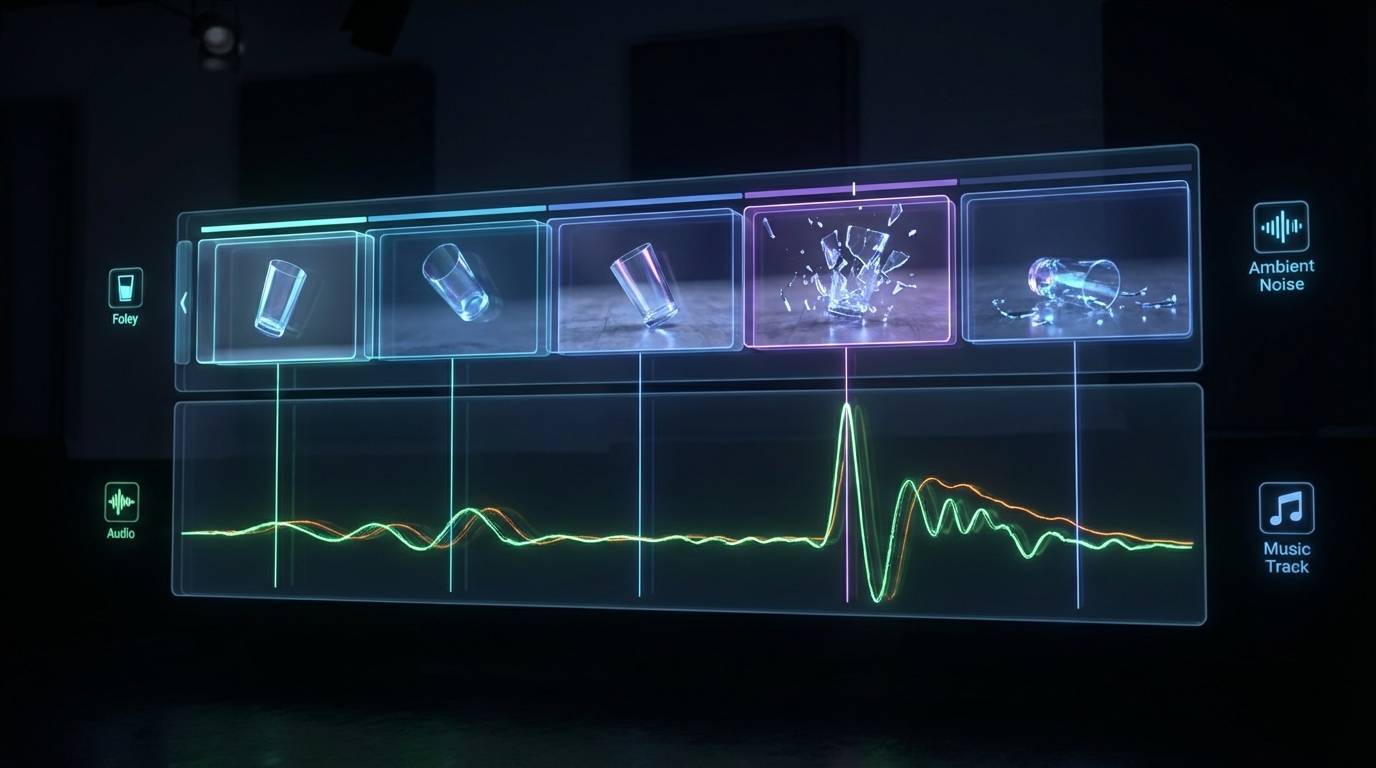
Simultaneous Audio-Visual Generation
Kling 2.6's headline feature eliminates the traditional two-step workflow of generating silent video then adding audio separately. The model now generates visuals, voiceovers, sound effects, and ambient audio simultaneously.
Frame-Level Synchronization:
- Hand hitting table → impact sound at exact frame
- Fire appearing → crackling sounds spatially positioned
- Footsteps → timed precisely to foot contact
- Door closing → sound aligned with visual
This removes the need for manual sound editing - a massive workflow improvement.
Multimodal Audio Prompting
Hierarchical control over audio mixing allows creators to specify:
Ambient Sound Layer
Music Track Layer
Specific Foley Layer
Complete Audio Production
Kling 2.6 generates a comprehensive range of audio formats - from speech and dialogue with lip-sync to narration and voiceovers, singing, rap, and instrumental performances, ambient sound effects, and mixed sound design. Language support includes both Chinese and English voice generation, with world-leading Chinese voice generation performance.
The model also supports non-destructive audio editing, allowing creators to swap voiceovers without video regeneration, replace ambient tracks in edit mode, and adjust audio mix without affecting visuals. Advanced lip-sync ensures generated speech matches mouth movements realistically, overlaid voice-overs sync with existing character animation, and multi-language dubbing works seamlessly.
Creator Workflow Integration
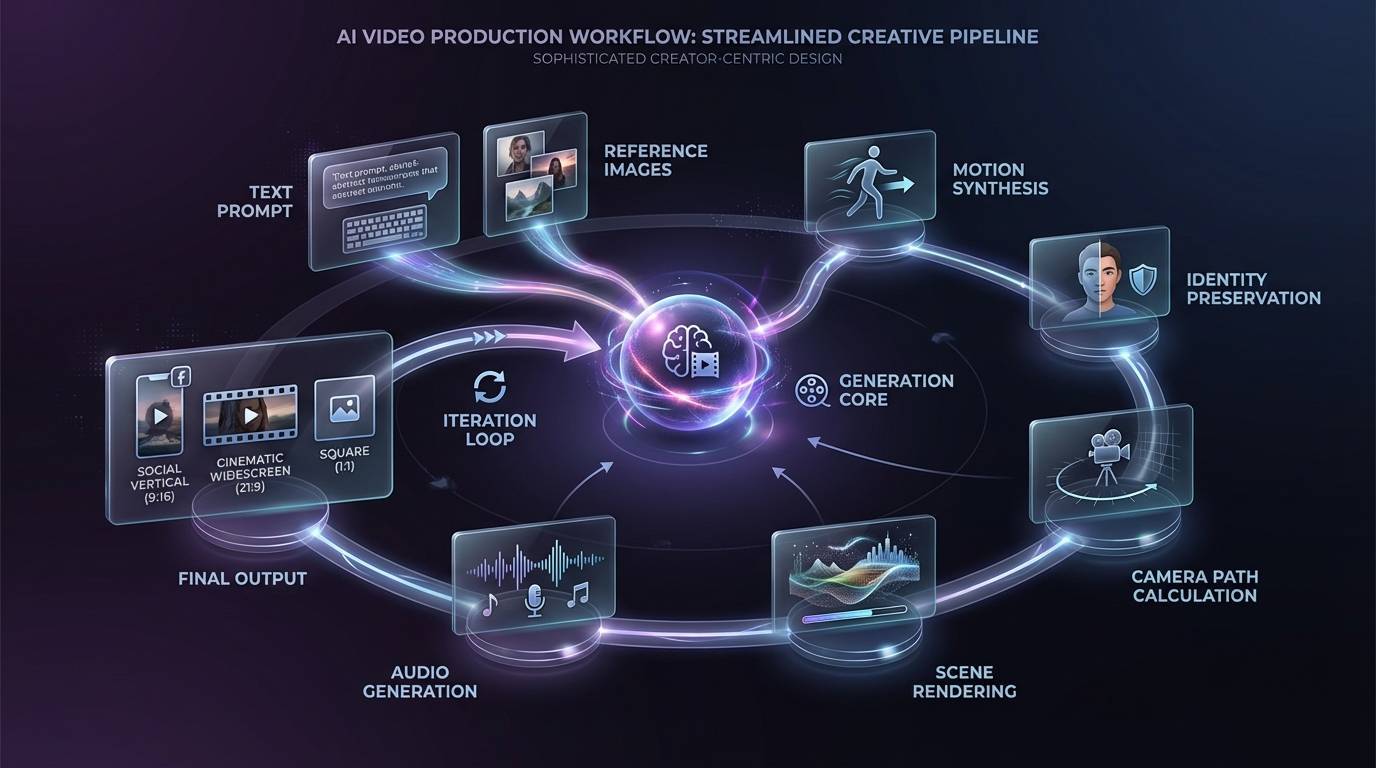
When advanced AI video models integrate with comprehensive platforms, they gain additional capabilities that streamline professional workflows.
Enhanced Workflow Features
Input Management
Output Options
Iteration Tools
These workflow improvements streamline long-form content creation - from 3-second clips to sequential storytelling.
Implications for Marketing Teams
For marketing content creators, Kling 2.6's capabilities offer several strategic opportunities:
Social Media Video
Product Marketing
Brand Storytelling
Content Scaling
Conclusion
Kling has consistently been one of the fastest-moving video engines in the industry. Each release builds on the last, bringing more realism, stability, logic, and creative flexibility.
With Kling 2.6, creators now have major upgrades across every dimension - from motion realism with proper physics to identity stability across shots and angles. Keyframe interpolation with multiple anchor points and multi-reference fusion handle complex creative briefs, while camera control matching professional cinematography and improved scene coherence eliminate common artifacts. On the technical side, native 1080p resolution and faster generation support professional workflows, complemented by editing tools for post-production refinement and simultaneous audio-visual generation synchronized at frame level.
The combination of visual generation and audio synthesis in a single, coherent workflow represents a fundamental shift in AI video production - from generating clips that need extensive post-work to producing near-complete assets ready for deployment.
Frequently Asked Questions
When was Kling 2.6 released?
Kling 2.6 was released on December 3, 2025, by Kuaishou Technology. The headline feature is simultaneous audio-visual generation, allowing video and audio to be created in a single pass.
Will Kling 2.6 replace the need for traditional video production?
Not entirely. Kling 2.6 excels at specific use cases - social content, product demonstrations, concept visualization - but complex productions with precise requirements still benefit from traditional methods or hybrid approaches.
How does Kling 2.6 compare to other AI video models?
Kling 2.6 competes directly with Sora 2 and Veo 3.1. It ranks #1 for moving camera shots and is in the top 3 overall on AI video leaderboards. Its simultaneous audio-visual generation is a key differentiator.
What audio types can Kling 2.6 generate?
Kling 2.6 generates speech, dialogue with lip-sync, narration, singing, rap, instrumental performances, ambient sounds, and mixed sound effects. It supports both Chinese and English voice generation.
What resolution and duration does Kling 2.6 support?
Kling 2.6 generates native 1080p video up to 10 seconds in duration. It supports both text-to-audio-visual and image-to-audio-visual generation modes.
Key Takeaways
- 1 Kling 2.6 was released December 3, 2025, building on Kling 2.5 Turbo and Kling O1
- 2 Simultaneous audio-visual generation eliminates the two-step silent video + audio workflow
- 3 Motion physics improvements address cloth, hair, object interactions, and character movement
- 4 Identity stability across multiple shots enables narrative storytelling
- 5 Expanded keyframe interpolation moves toward true animation engine capabilities
- 6 Multi-reference fusion allows combining character, location, lighting, motion, and style inputs
- 7 Comprehensive camera language brings cinematographer-level control (#1 ranked for camera shots)
- 8 Native 1080p resolution and up to 10-second duration support professional production workflows
- 9 Audio includes speech, dialogue with lip-sync, singing, rap, ambient sounds, and sound effects
More Posts


Ready to start automating?
Join hundreds businesses growing with Renderfire