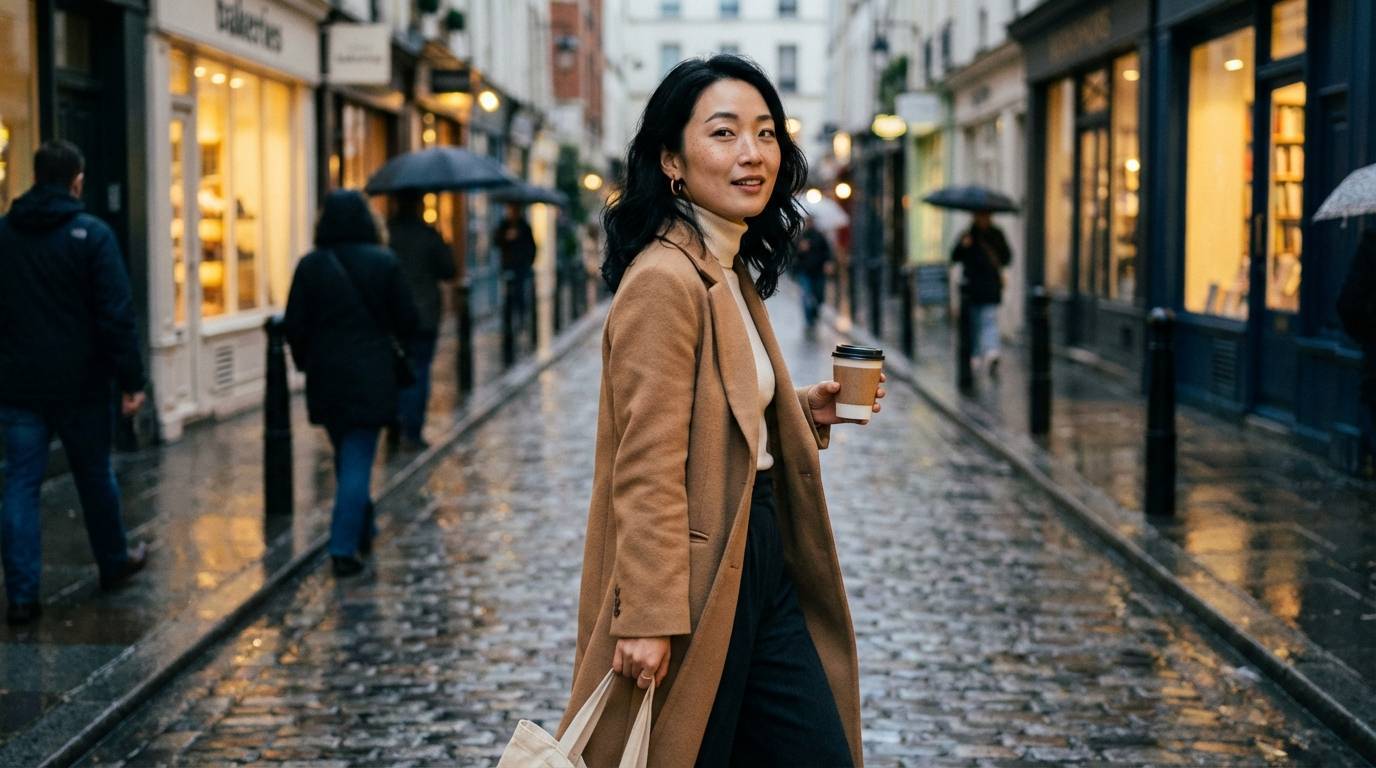
Nano Banana Pro Prompting Guide: 5 Variables That Unlock 4K AI Images

TL;DR
Nano Banana Pro generates native 4K images in under 10 seconds using reasoning-guided synthesis. Effective prompts require five essential variables: Subject (specific details, not generic descriptions), Composition (camera angles and framing), Action (movement and energy), Location (atmosphere and setting), and Style (artistic medium and aesthetics). Nano Banana Pro's unique capabilities include perfect text rendering, physics-aware reasoning, and multilingual support. Master these prompting techniques to create professional marketing visuals that convert.
What Is Nano Banana Pro?
Nano Banana Pro represents a leap forward in AI image generation. Unlike traditional diffusion models, Nano Banana Pro uses reasoning-guided synthesis - analyzing prompts for semantic logic, physical causality, and emotional intent before rendering pixels. The result is unprecedented prompt adherence and image quality.
Native 4K Resolution
Sub-10-Second Generation
Perfect Text Rendering
Physics-Aware Reasoning
Multilingual Support
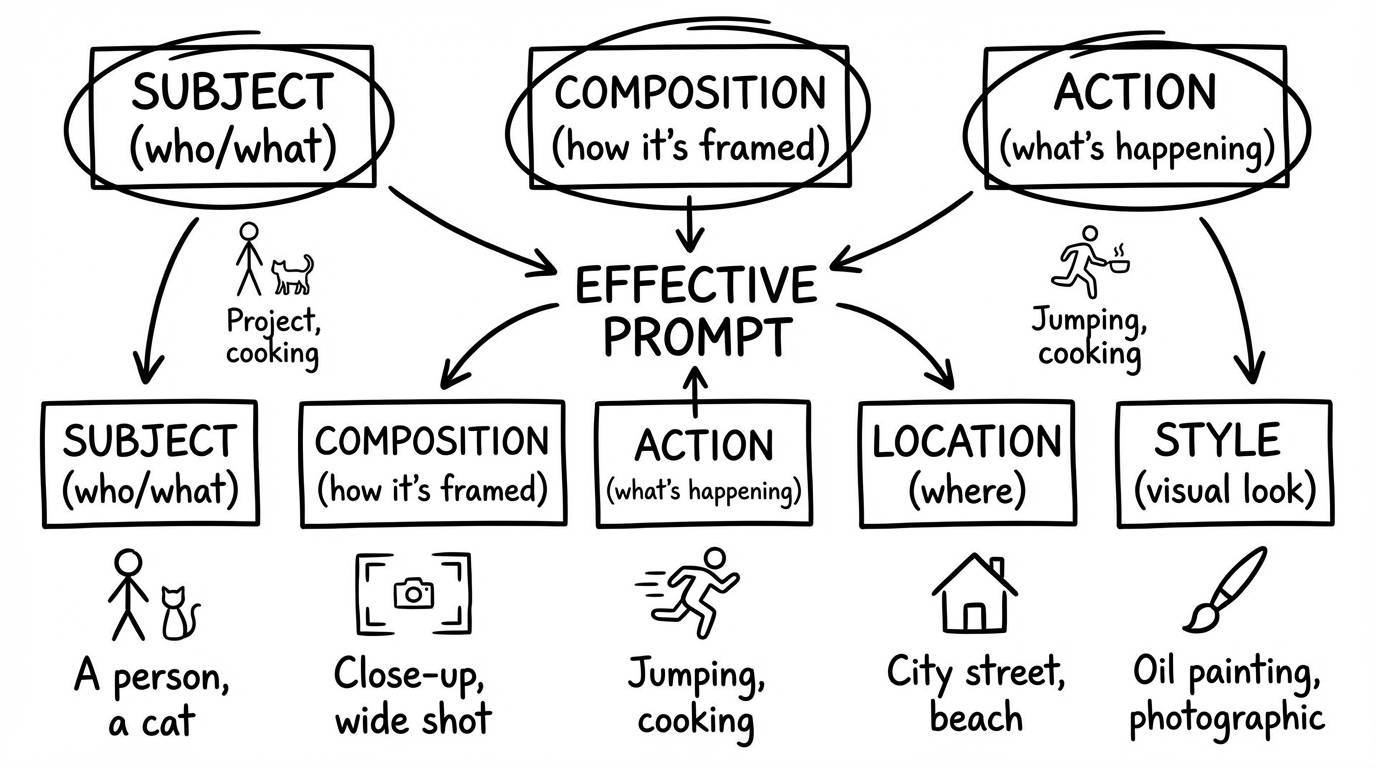
For marketing teams using tools like Renderfire, Nano Banana Pro enables professional visual production at unprecedented scale. The difference between amateur and professional outputs comes down to prompt engineering - understanding how to communicate effectively with the model's reasoning engine.
The Five Essential Prompt Variables
Every effective AI image prompt includes five core components. Missing any variable produces incomplete or inconsistent results.
1. Subject
The subject defines what appears in the image. Specificity determines quality. Nano Banana Pro's reasoning engine interprets detailed descriptions with remarkable accuracy.
Weak approach: "A dog" Strong approach: "Golden retriever with wet fur, tongue out, wearing a red bandana"
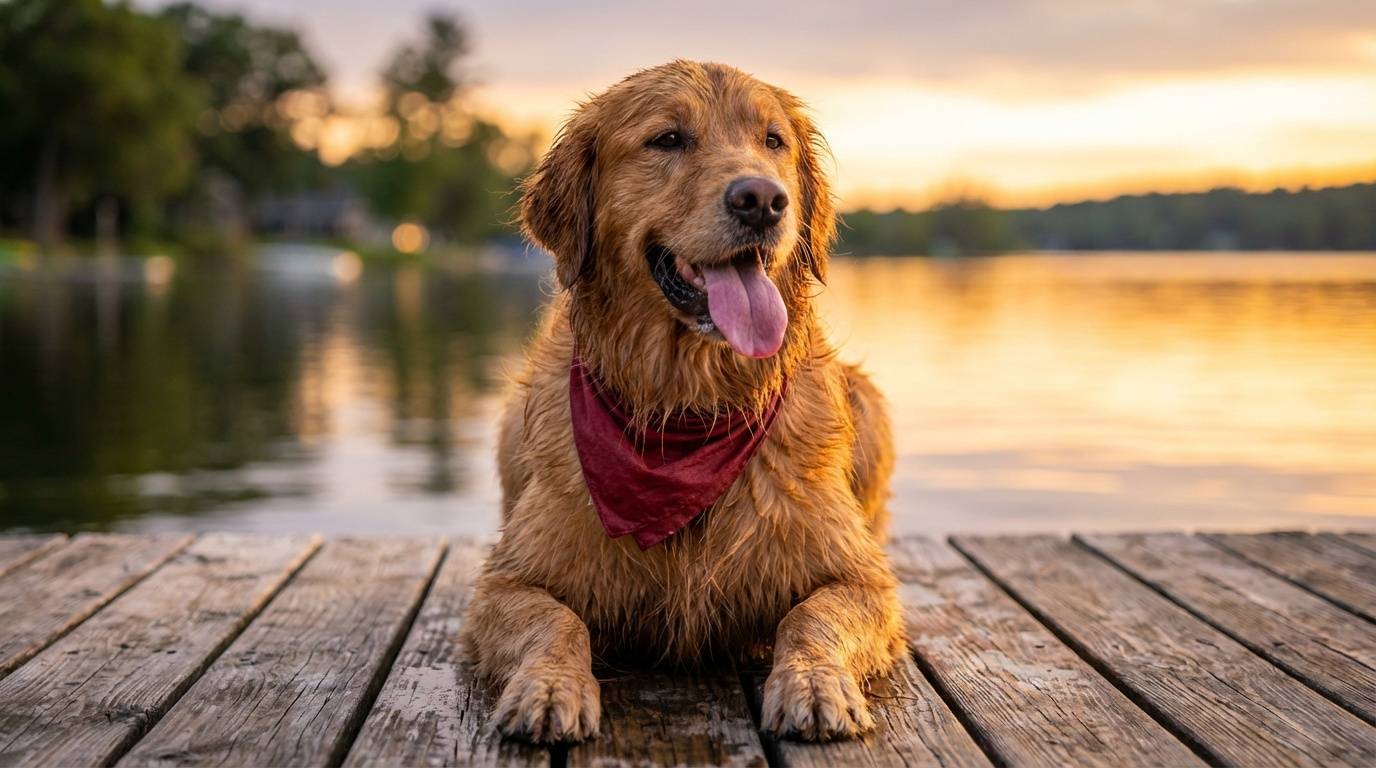
The more unique details specified, the more control over the output. Generic descriptions produce generic results. Specific details - materials, colors, textures, distinguishing features - create distinctive visuals that Nano Banana Pro renders with precision.
For marketing content, product shots require exact color specifications and material descriptions, lifestyle imagery needs specific demographic details for target audience alignment, and brand visuals require consistent style elements across multiple generations.
2. Composition
Composition directs the virtual camera. This variable controls how subjects appear within the frame.
Camera angles:
- Eye-level (neutral, relatable)
- Low angle (powerful, imposing)
- High angle (vulnerable, contextual)
- Dutch angle (tension, unease)
- Bird's eye (overview, scale)
Framing options:
- Extreme close-up (texture, emotion)
- Close-up (facial expression, detail)
- Medium shot (upper body, conversation)
- Full shot (entire subject, context)
- Wide shot (environment, scale)
Aspect ratios: Specify numerically to prevent composition drift:
- 16:9 for video thumbnails and YouTube content
- 9:16 for TikTok and Instagram Stories
- 1:1 for Instagram feed posts
- 4:5 for Instagram portrait posts
Example composition prompt: "Close-up shot, 35mm lens perspective, shallow depth of field, subject positioned using rule of thirds, 16:9 aspect ratio"
3. Action
Action defines movement and energy. Static imagery often underperforms dynamic visuals, especially in marketing contexts where attention capture matters.
Static (use sparingly):
- Standing, sitting, posed
- Product placement shots
- Formal portraits
Dynamic (preferred for engagement):
- Running, jumping, reaching
- Hair or clothing in motion
- Interaction between subjects
- Mid-action freeze frames
Example action prompts:
- "Leaping across rooftop gaps, hair flowing behind"
- "Pouring coffee with visible steam rising"
- "Typing rapidly with motion blur on fingers"
- "Laughing with head thrown back"
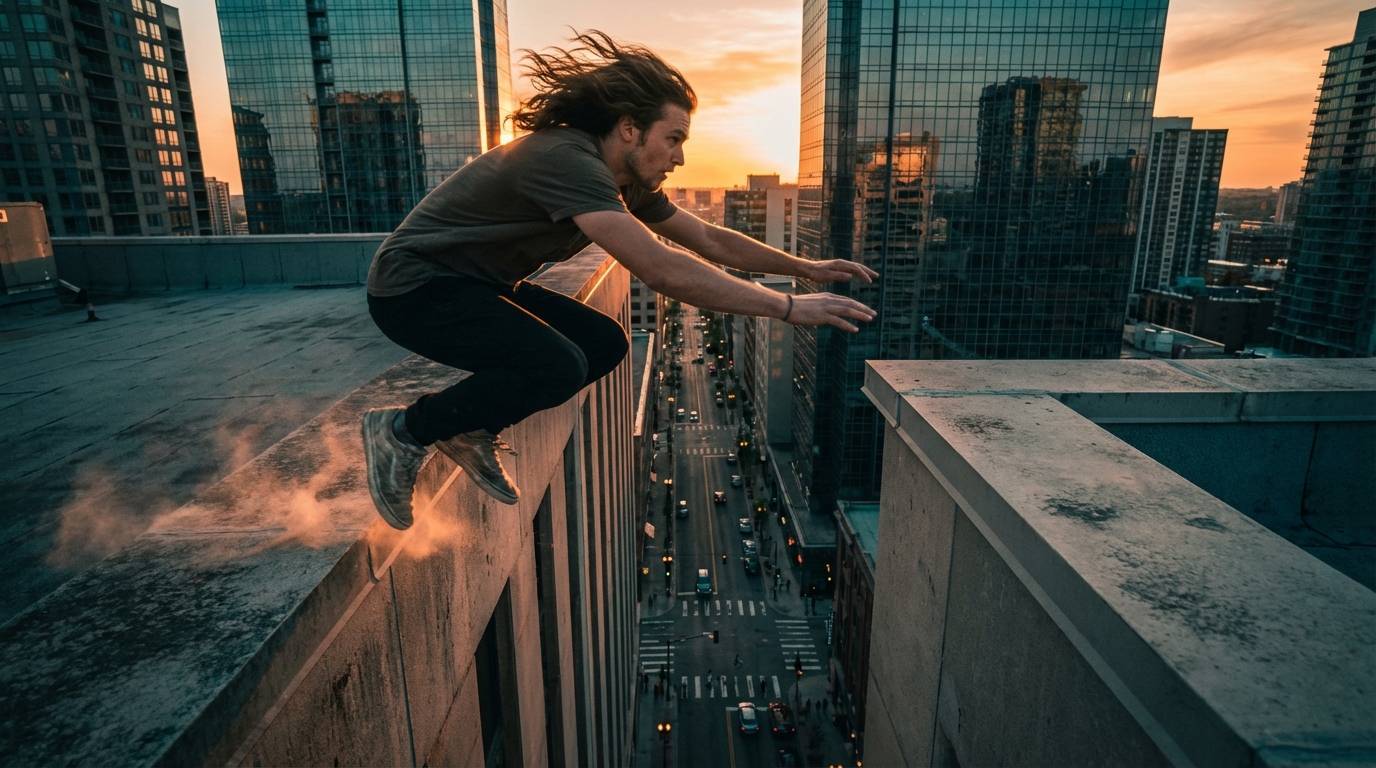
For marketing content, dynamic action creates emotional resonance and stops scrolling. Even product shots benefit from implied motion - liquid splashing, fabric flowing, objects mid-fall. Nano Banana Pro's physics-aware reasoning ensures realistic motion blur and natural movement dynamics.
4. Location
Location establishes atmosphere and context. The setting communicates mood, target demographic, and brand positioning before viewers consciously process the image.
Environment types:
- Urban (modern, sophisticated)
- Natural (authentic, healthy)
- Industrial (edgy, professional)
- Domestic (relatable, comfortable)
- Abstract (creative, unique)
Atmosphere elements:
- Time of day (golden hour, blue hour, midday, night)
- Weather conditions (sunny, overcast, rainy, foggy)
- Season (spring freshness, summer vibrancy, fall warmth, winter crisp)
Example location prompts:
- "Neon-lit Tokyo back alley at night, wet pavement reflecting signs"
- "Minimalist Scandinavian apartment, morning light through sheer curtains"
- "Industrial warehouse with exposed brick, dramatic side lighting"
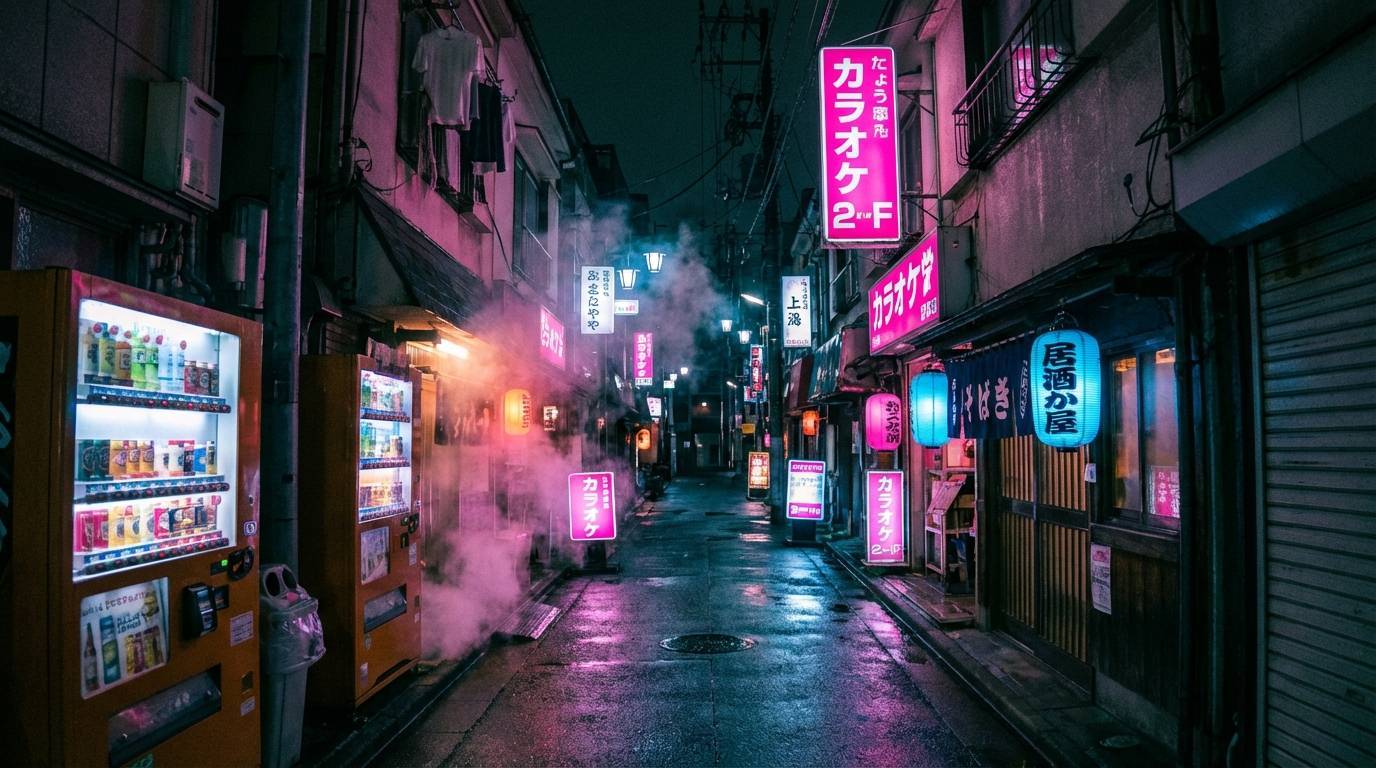
Match locations to target audience expectations. Luxury products need luxury settings. Approachable brands need relatable environments. Nano Banana Pro excels at rendering complex environmental details - reflections, atmospheric effects, and lighting interactions.
5. Style
Style dictates artistic medium and overall aesthetics. This variable has the most dramatic impact on how images feel.
Photography styles:
- Editorial fashion photography
- Documentary photojournalism
- Commercial product photography
- Lifestyle photography
- Portrait photography
Artistic styles:
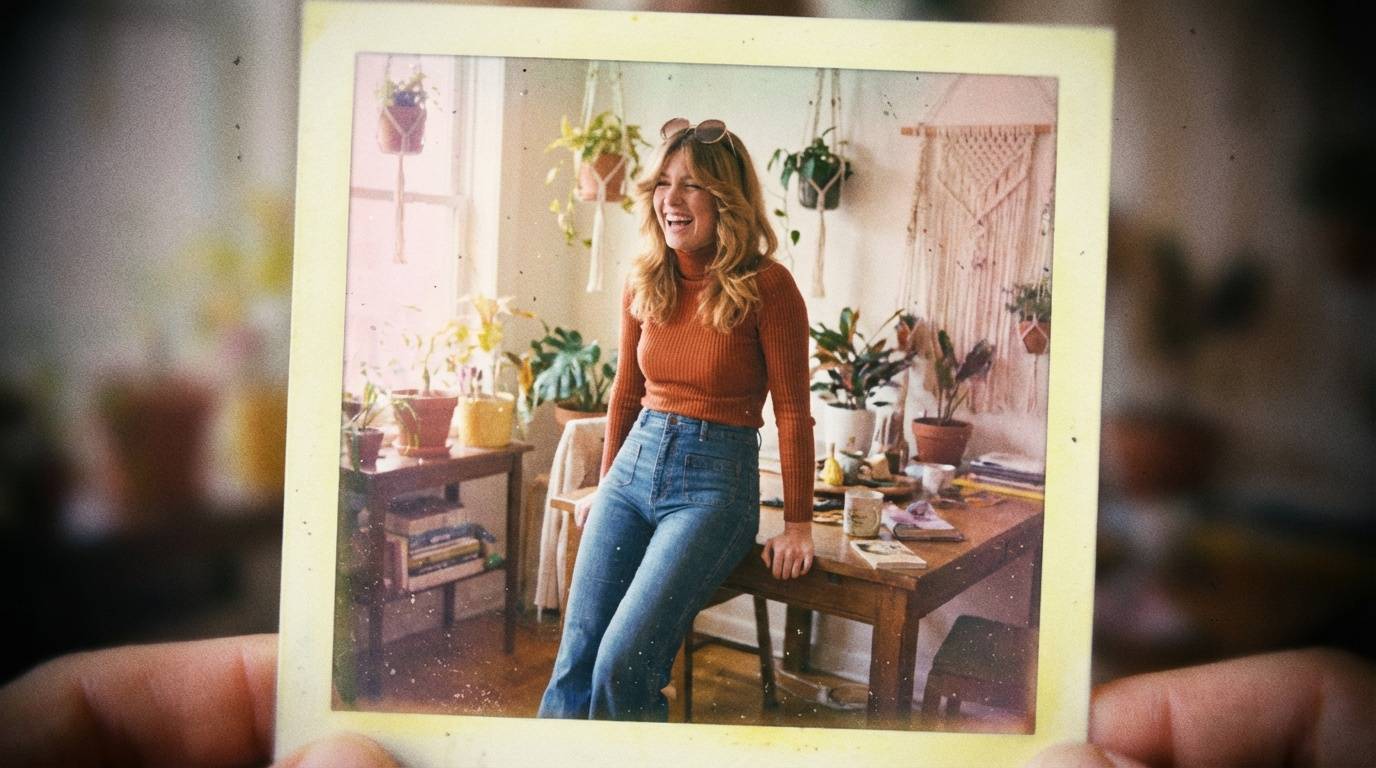
- Vintage 1980s polaroid
- Film noir high contrast
- Wes Anderson color palette
- Cyberpunk neon aesthetic
- Minimalist flat design
Technical specifications:
- Film stock emulation (Kodak Portra 400, Fuji Velvia)
- Camera equipment (Shot on Hasselblad, Leica 50mm)
- Post-processing style (VSCO preset, desaturated, high contrast)
Example style prompts:
- "Vintage 1980s polaroid aesthetic, slightly faded colors, soft vignette"
- "Shot on Arri Alexa, cinematic color grading, film grain texture"
- "Clean commercial product photography, white background, soft shadows"
Advanced Prompting Techniques
Beyond the five essential variables, advanced techniques unlock Nano Banana Pro's full capabilities - including features that set it apart from other AI image generators.
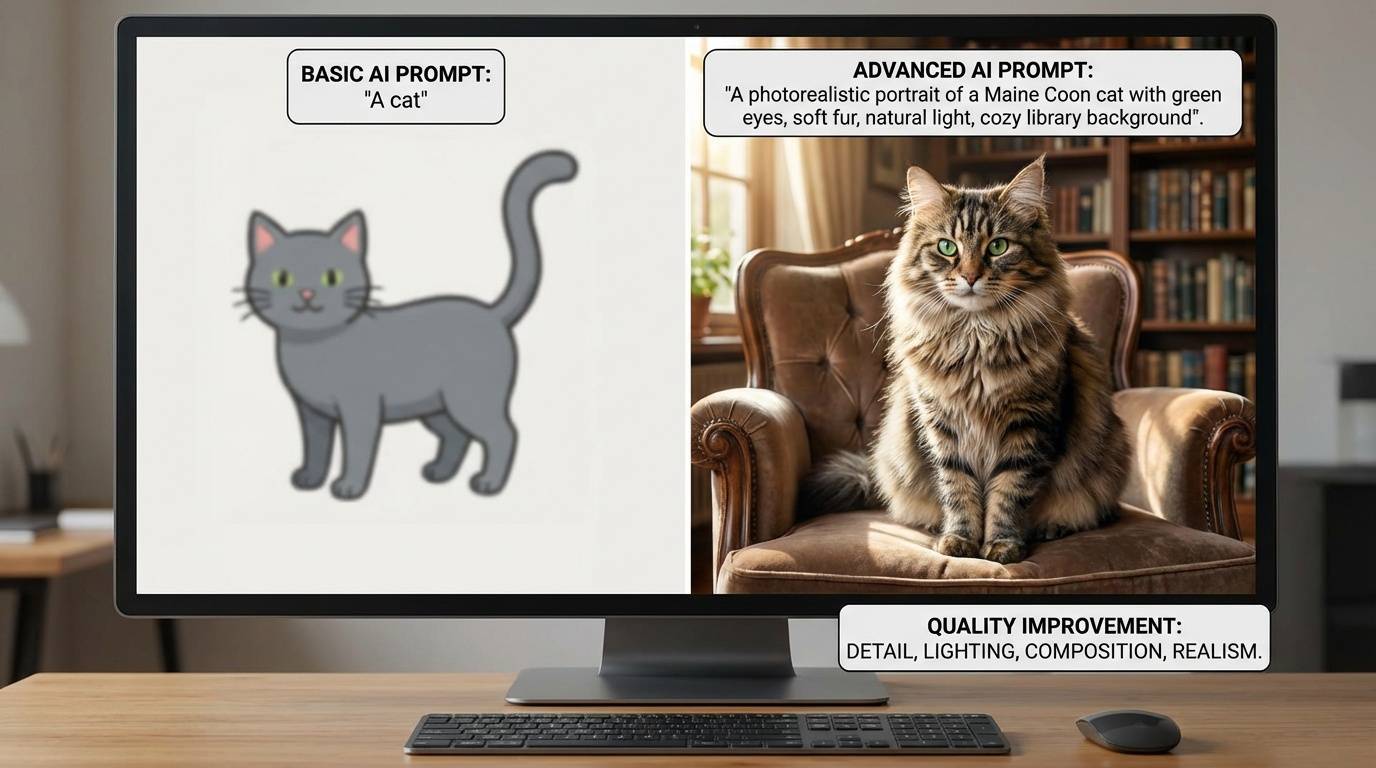
Camera and Lighting Specifications
Simulate physical photography by defining technical camera parameters:
Lens focal length:
- 24mm (wide, environmental context)
- 35mm (natural perspective, street photography)
- 50mm (close to human vision, portraits)
- 85mm (flattering compression, beauty)
- 200mm (telephoto compression, sports)
Aperture effects:
- f/1.4 (extreme bokeh, subject isolation)
- f/2.8 (moderate background blur)
- f/8 (sharp throughout, landscapes)
- f/16 (maximum depth of field)
Lighting setups:
- Rembrandt lighting (dramatic portrait)
- Butterfly lighting (beauty, fashion)
- Split lighting (mysterious, edgy)
- Soft box (commercial, even)
- Natural window light (authentic, editorial)
Example technical prompt: "Shot on Canon 5D Mark IV, 85mm f/1.4 lens, Rembrandt lighting from camera left, ISO 400, shallow depth of field isolating subject from background"
Text Integration (Nano Banana Pro Exclusive)
One of Nano Banana Pro's breakthrough capabilities is perfect text rendering - a feature that has historically challenged AI image generators. For marketing content requiring text within images:
- Isolate text strings in double quotes: "SALE 50% OFF"
- Explicitly define font family: "bold sans-serif font, Helvetica style"
- Specify text placement: "centered at top third of frame"
- Define text styling: "white text with black drop shadow for legibility"
Example text prompt: "Promotional banner with text "SUMMER COLLECTION" in elegant serif font, gold lettering, centered on dark blue background"
Negative Constraints
Define what to exclude to narrow the model's output possibilities. Negative constraints prevent common AI artifacts and unwanted elements.
Common exclusions for marketing:
- "No text" (when text would be added separately)
- "No watermarks"
- "No distorted faces"
- "No extra limbs or fingers"
- "No logos or brand marks"
- "No cluttered backgrounds"
Example with negative constraints: "Professional headshot of business executive, clean background, no distracting elements, no jewelry, no patterns on clothing, neutral expression"
Seed Locking for Consistency
When generating multiple related images (product series, campaign visuals, character consistency), seed locking ensures consistent results:
- Generate initial image and note the seed value
- Reuse seed for variations maintaining core elements
- Adjust only the variables that need to change
This technique is essential for:
- Product photography series
- Social media content batches
- Character consistency across multiple images
- Before/after comparisons
Marketing-Specific Prompt Templates
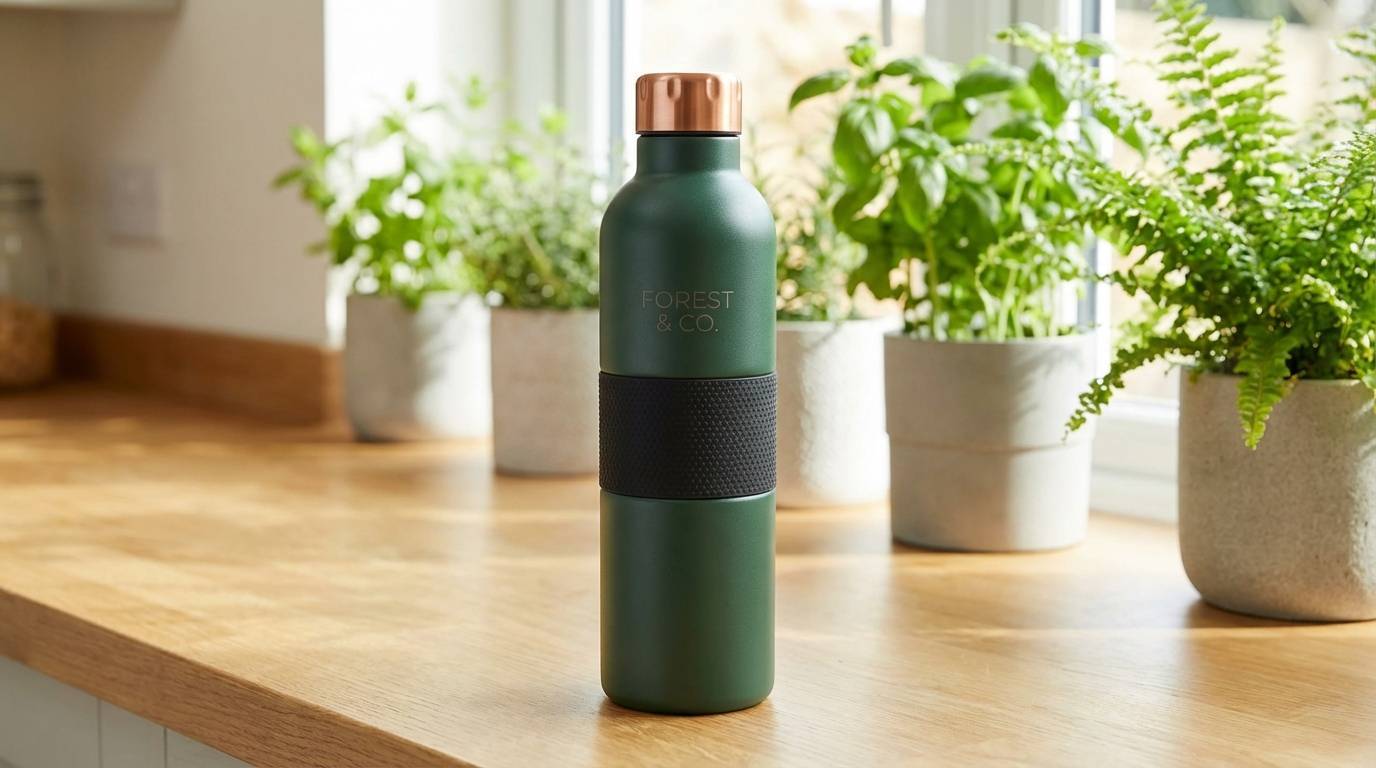
Product Photography Template
[Product description with specific materials and colors],
centered in frame, [angle: top-down/45-degree/eye-level],
[background: white seamless/lifestyle setting/gradient],
[lighting: soft box/natural/dramatic],
commercial product photography style,
sharp focus throughout, [aspect ratio]
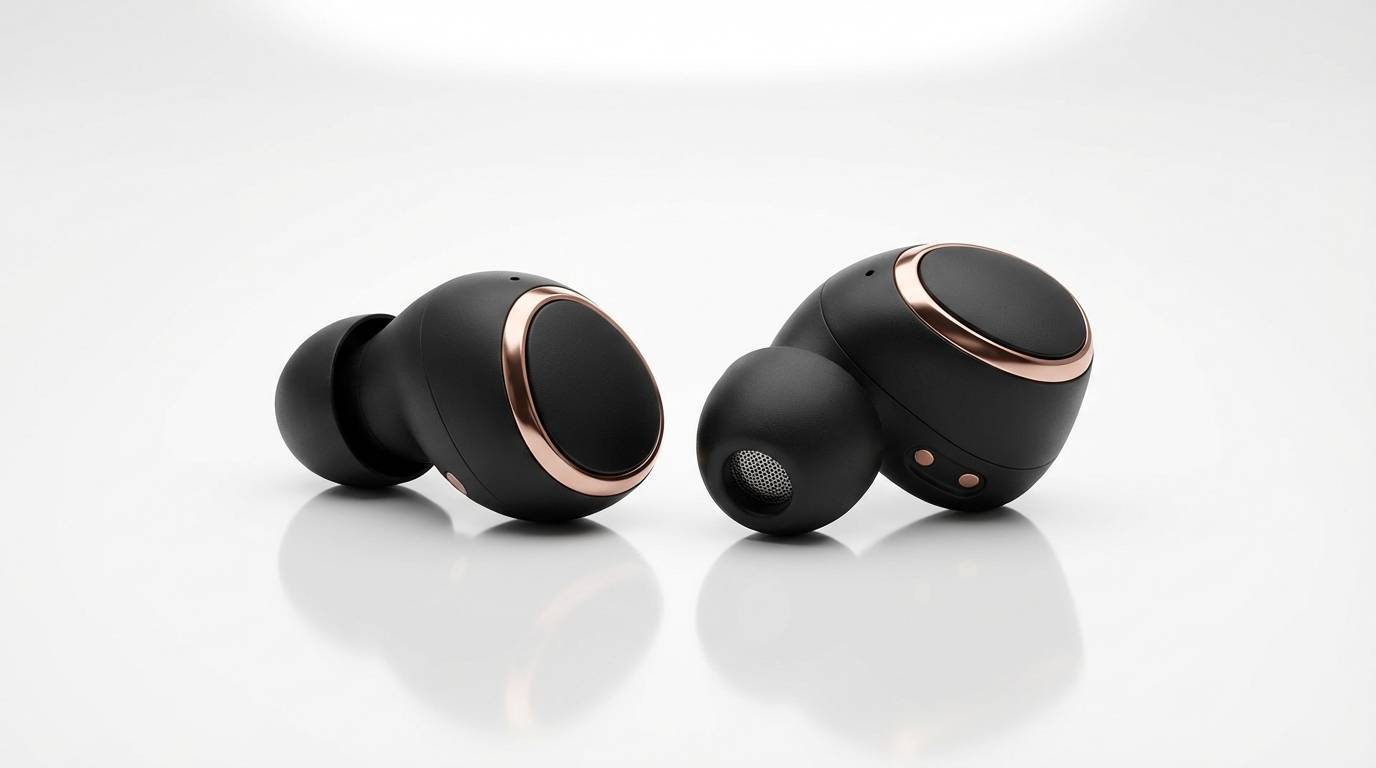
Example: "Matte black wireless earbuds with rose gold accents, centered in frame, 45-degree angle, white seamless background, soft box lighting from above, commercial product photography style, sharp focus throughout, 1:1 aspect ratio"
Lifestyle Photography Template
[Subject demographic and appearance],
[action/pose], [location with atmosphere],
[time of day], [emotional tone],
lifestyle photography style, [camera specs],
[aspect ratio]
Example: "Young professional woman in her late 20s, casually dressed, laughing while checking phone, modern coffee shop with exposed brick and plants, morning golden hour light through windows, warm and authentic emotional tone, lifestyle photography style, shot on 35mm lens, shallow depth of field, 4:5 aspect ratio"

Social Media Content Template
[Visual concept with subject and action],
[bold/minimal/vibrant] color palette,
[style reference], optimized for [platform],
high contrast for mobile viewing,
[aspect ratio]
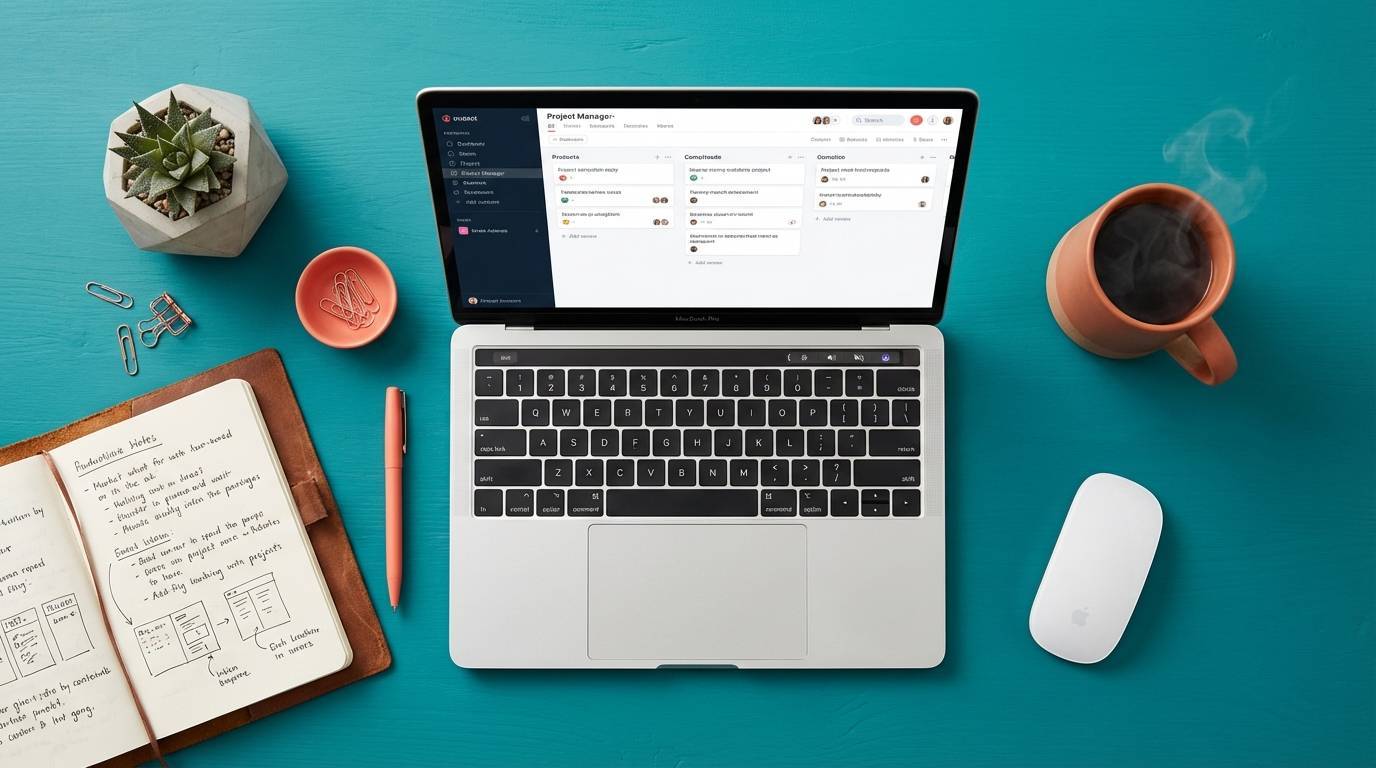
Example: "Flat lay of productivity items including laptop, notebook, and coffee, bold color palette with teal and coral accents, modern minimalist style, optimized for Instagram, high contrast for mobile viewing, 1:1 aspect ratio"
Advertising Visual Template
[Hero product/subject with specific details],
[composition emphasizing key selling point],
[aspirational setting], [dramatic/soft/natural] lighting,
[brand aesthetic description],
commercial advertising photography, [aspect ratio],
no text, space for copy on [location in frame]
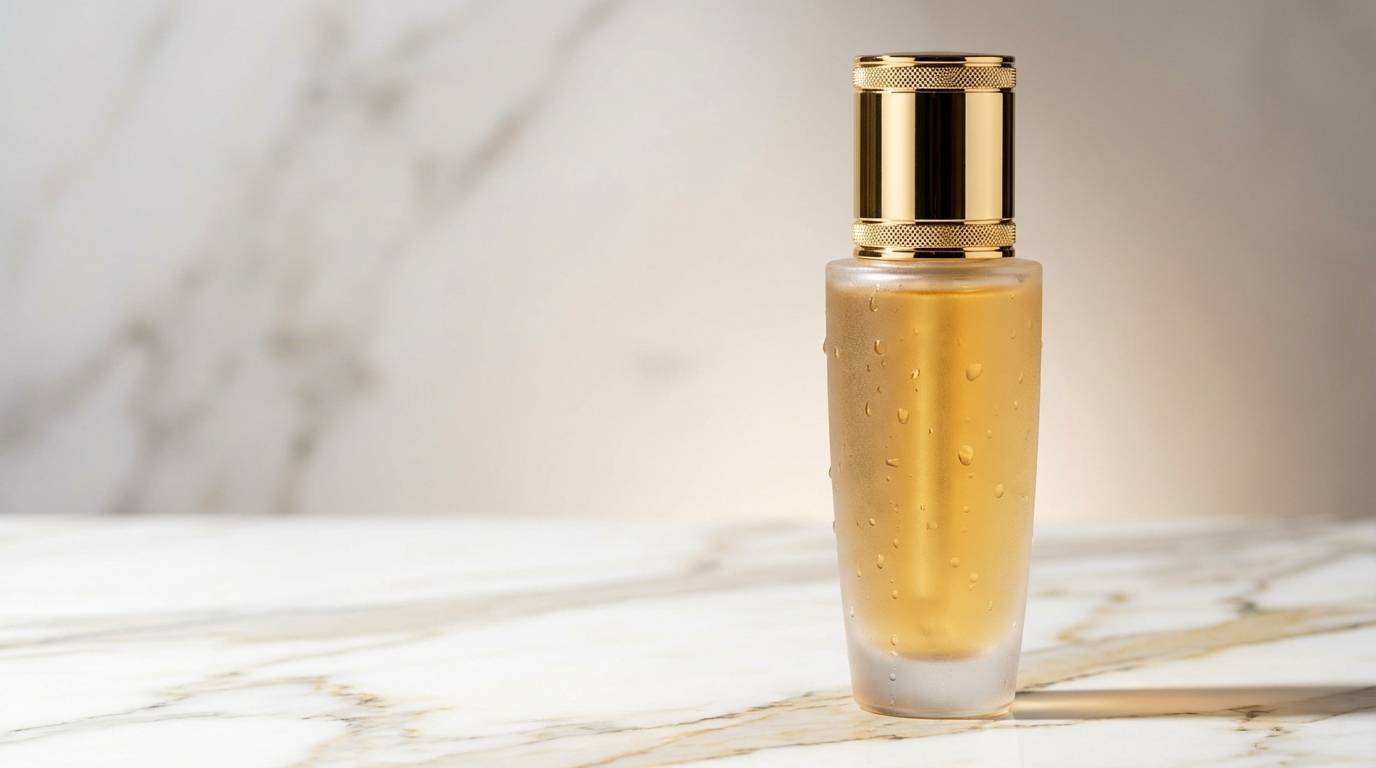
Example: "Premium skincare bottle with gold cap and frosted glass, extreme close-up emphasizing texture, luxury bathroom counter with marble surface, soft diffused lighting, elegant and sophisticated aesthetic, commercial advertising photography, 16:9 aspect ratio, no text, space for copy on left third of frame"
Common Mistakes to Avoid
Vague Subjects
Missing Aspect Ratios
Generic Lighting
Overloaded Prompts
No Negative Constraints
Incompatible Style Mixing
Frequently Asked Questions
How long should Nano Banana Pro prompts be?
Effective prompts typically range from 50-150 words. Shorter prompts lack necessary detail; longer prompts may include conflicting instructions. Nano Banana Pro's reasoning engine handles complex prompts well, but focus on the five essential variables with specific details rather than lengthy descriptions.
Should I use full sentences or keywords?
Command-style syntax (removing conversational filler like "please" or "I want") generally produces better results. Nano Banana Pro responds to direct instructions rather than conversational requests.
How do I maintain consistency across multiple generated images?
Use seed locking when available, maintain identical style and technical specifications, and create template prompts with only variable elements changing between generations. Nano Banana Pro offers superior character consistency compared to other models.
What resolution does Nano Banana Pro generate?
Nano Banana Pro delivers native 2K resolution that intelligently upscales to 4K using a 16-bit color pipeline. Generation completes in under 10 seconds - significantly faster than most alternatives.
Can Nano Banana Pro render text accurately?
Yes. Perfect text rendering is one of Nano Banana Pro's breakthrough capabilities. It accurately renders typography across multiple languages, including complex scripts - a feature that has historically challenged AI image generators.
Does Nano Banana Pro understand physics?
Yes. Nano Banana Pro uses physics-aware reasoning, understanding real-world mechanics including fluid dynamics, gravity simulation, complex object relationships, and causal logic before generating pixels. This results in more realistic images with proper lighting, reflections, and physical interactions.
Key Takeaways
- 1 Nano Banana Pro uses reasoning-guided synthesis to generate native 4K images in under 10 seconds with exceptional prompt adherence
- 2 Structure every prompt with five essential variables: Subject, Composition, Action, Location, and Style
- 3 Specificity determines quality - generic descriptions produce generic results; detailed prompts unlock Nano Banana Pro's full potential
- 4 Leverage Nano Banana Pro's unique capabilities: perfect text rendering, physics-aware reasoning, and multilingual support
- 5 Advanced techniques (camera specs, lighting setups, negative constraints) differentiate amateur from professional outputs
- 6 Template prompts for different marketing use cases accelerate production while maintaining quality
- 7 Seed locking enables consistency across content series and campaigns
More Posts
Ready to start automating?
Join hundreds businesses growing with Renderfire